
close
Choose Your Site
Global
Social Media
Views: 0 Author: Site Editor Publish Time: 2026-09-22 Origin: Site


Integrating a new automated gluing system rarely functions as a simple plug-and-play event. It carries significant operational risks. Poorly planned rollouts often cause costly production downtime. Plant managers must treat this installation as a strategic operational upgrade. You cannot view it as just another equipment purchase.
Our objective is to provide plant managers and operations directors with an evidence-based roadmap. We will explore facility preparation thoroughly. We will discuss specification alignment in detail. You will learn how to approach vendor evaluation effectively. Following this roadmap ensures a seamless factory rollout. Proactive planning minimizes disruptions, protects your margins, and keeps your manufacturing floor running smoothly.
Infrastructure First: Verifying facility pneumatics, electrical loads, and spatial footprint prevents mid-installation delays.
Specification Alignment: Matching machine capabilities to your exact foam densities, spring units, and production targets dictates long-term ROI.
Customization Matters: Choosing between a standard or a custom setup depends on your existing conveyor layouts and multi-layer mattress complexities.
Vendor Accountability: The right supplier provides Factory Acceptance Testing (FAT), operator training, and transparent service level agreements (SLAs).
You must evaluate your current production environment before bringing new equipment onto the floor. A thorough assessment prevents workflow bottlenecks later. It also ensures your new machinery actually improves output.
You need to establish clear baseline metrics before the machine arrives. Without benchmarks, you cannot measure success objectively. We recommend auditing three specific areas of your current manual or semi-automated process.
Current adhesive waste per unit: Weigh the exact amount of glue applied manually to a standard mattress build. Compare this to the target gram-per-square-meter (GSM) rate.
Manual labor hours: Calculate the time your team spends applying adhesive, moving materials, and cleaning spray guns daily.
Units produced per shift: Record the maximum number of mattresses your current line outputs during peak operational hours.
Analyze your production flow carefully. Sometimes, gluing speed does not cause your actual delay. Upstream processes often restrict the line. Foam cutting delays might slow you down. Downstream processes also cause traffic jams. Fabric covering stations might struggle to keep pace with an automated gluing bridge.
If you upgrade the gluing station without addressing these adjoining zones, you simply move the bottleneck. You must balance the entire assembly cycle. Ensure your upstream material feed can supply the new equipment consistently.
Workflow mapping impacts daily efficiency immensely. You need to map the factory floor accurately. Check your conveyor height alignment first. Even a two-inch height discrepancy can disrupt material feeding. Calculate turning radiuses for raw materials. Forklifts and pallet jacks need sufficient room to maneuver safely around the new installation.
Establish safe operator clearance zones. Workers need unobstructed paths to emergency shut-off valves. For modern mattress plants mattress hot melt glue machine integration must harmonize with existing ERP or PLC control systems. They track real-time yield efficiently. Proper spatial planning ensures these data cables and power lines route safely away from foot traffic.
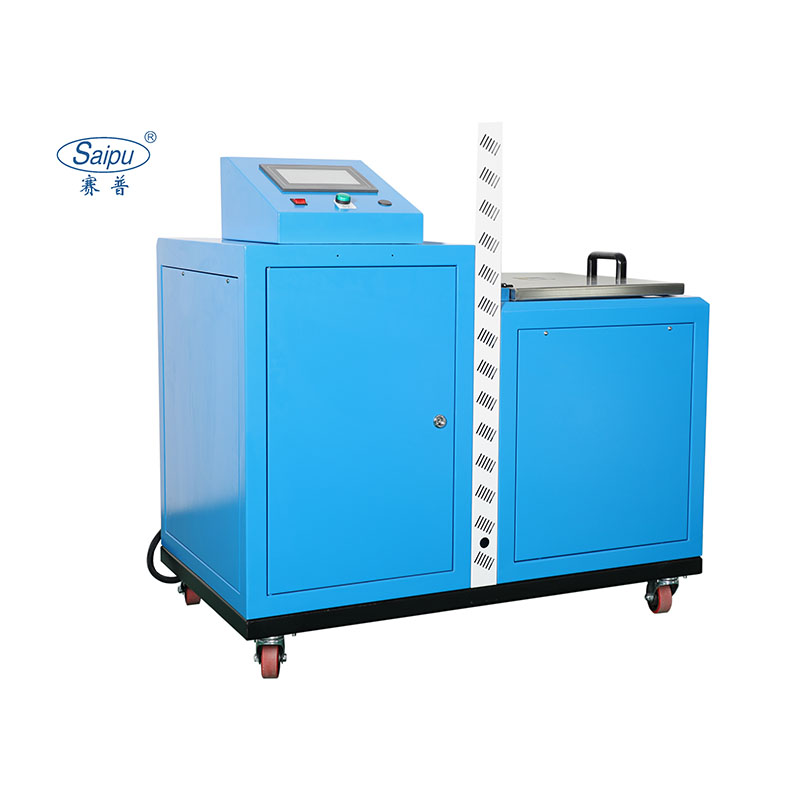
Facility infrastructure determines how well your new equipment operates. Insufficient utilities will throttle your machine's performance. You must conduct a comprehensive utility audit.
Audit your current power grids immediately. Industrial hot melt systems usually require robust 3-phase power. Check your facility's voltage stability. Voltage drops frequently cause adhesive cooling in the delivery hoses. Cold adhesive creates weak bonds and ruins product batches.
We advise hiring a certified electrician to verify your load capacity. They should confirm your breaker panels meet NEMA industrial standards. Surges can damage sensitive PLC touchscreens. Install proper surge protection devices before commissioning the equipment.
Pneumatic spray heads demand high-quality air. Clean, dry compressed air is strictly necessary. You must install industrial air dryers and coalescing filters. Moisture in air lines leads directly to nozzle clogging.
You will experience inconsistent spray patterns if water enters the system. Contaminated air also accelerates wear on pneumatic valves. Adhere to ISO 8573-1 air quality standards to protect your investment.
Common Mistakes in Pneumatic Setup:
Relying on a single factory compressor without a backup tank.
Failing to drain water traps on air lines daily.
Using undersized air hoses, which starves the application heads of necessary CFM (Cubic Feet per Minute).
Ambient factory temperatures impact adhesive open times significantly. Cold winter drafts can cause hot melt glue to set too quickly. Summer heat waves might extend the curing time. You need consistent environmental controls.
Proper exhaust ventilation protects worker safety. Melted PUR and EVA adhesives release fumes. You must route exhaust hoods appropriately. Carefully verify that the mattress hot melt glue machine specifications provided by the manufacturer align with your plant's peak utility capacities.
Selecting the right machinery architecture defines your long-term success. You must choose between a standardized unit and a fully customized system. Your product mix dictates this decision.
Standardized equipment works best for plants producing uniform product lines. Standard tight-top innerspring mattresses run perfectly through these machines. The benefits are clear and immediate.
Pros include much faster lead times. You get proven, field-tested reliability. Spare parts cost less and arrive quickly. Maintenance teams learn these systems easily. If your facility runs high volumes of identical bed sizes, a standard bridge configuration offers the quickest path to profitability.
Complex bed designs demand advanced customization. Multi-zone memory foam requires precise, variable adhesive weights. Hybrid models often need varied spray patterns. You might need a combination of bead, swirl, or spray applications on a single unit.
A custom build accommodates these sophisticated recipes. It allows you to program specific glue shut-off zones to avoid spraying the perimeter foam encasement incorrectly.
Custom builds introduce unique integration constraints. Custom robotic arms require specific reach capacities. You must verify they will not collide with existing safety cages. Varying conveyor widths demand dynamic adjustments. Mixed batches require flexible height controls to transition seamlessly from a 6-inch foam core to a 14-inch hybrid unit.
Investing in a custom mattress hot melt glue machine makes sense strategically when adhesive savings offset the initial higher capital expense. Precision application prevents over-gluing. These material savings typically justify the upgrade within an 18 to 24 month period.
Decision Matrix Chart
Operational Factor | Standard Machine | Custom Machine |
|---|---|---|
Product Variety | Low (Uniform lines) | High (Mixed batches, Hybrids) |
Lead Time | 4 - 8 Weeks | 12 - 20 Weeks |
Spray Patterns | Fixed (Usually spray only) | Variable (Swirl, Bead, Spray) |
Maintenance Complexity | Low (Off-the-shelf parts) | High (Specialized PLC training needed) |
You must mitigate downtime carefully during the transition. Rushing the installation guarantees lost production days. A phased approach protects your delivery schedules.
Factory Acceptance Testing offers crucial protection. Require a successful FAT at the manufacturer site. You must ship your actual plant foam and spring materials to their facility. Do this before they ship the unit to you.
Test the exact adhesive brand you use daily.
Run your thickest and thinnest mattress configurations.
Verify the HMI (Human-Machine Interface) recipes match your production needs.
This process identifies software bugs and mechanical misalignments while the machine still sits on the vendor's floor.
Site Acceptance Testing follows delivery. We recommend a strict on-site commissioning protocol. First, run dry passes without adhesive. Ensure the photo-eyes detect the mattress edges correctly. Next, calibrate the glue weights accurately. You must catch output discrepancies early. Finally, test the emergency stops thoroughly. Safety mechanisms must function flawlessly before full production begins.
Operator adoption ultimately dictates your success. Change management matters deeply. Create a rigorous training curriculum for your floor staff. If they fear the new equipment, they will bypass it.
Teach daily nozzle maintenance carefully. Demonstrate correct purging procedures to prevent overnight curing in the lines. Enforce strict safety protocols regarding burn hazards. Teach your lead maintenance techs basic PLC troubleshooting. They need to clear minor faults without calling external support.
Protect order fulfillment proactively. Schedule the physical installation during weekend shifts. You can also use planned holiday maintenance windows. Avoid installing complex machinery during your peak season. Running a parallel manual line during the first week of automated operation provides a necessary safety net. You can shift production back to manual tables if the mattress hot melt glue machine requires unexpected recalibration.
Choosing a machine equals choosing a long-term business partner. You must evaluate your supplier for post-installation support rigorously. A poor vendor leaves you stranded during critical breakdowns.
Look deeply beyond the initial purchase price. Focus on long-term operational sustainability. You need guaranteed parts availability for the next decade. Avoid proprietary mechanical components whenever possible. Ask the vendor if they use standard, off-the-shelf pneumatic valves and sensors. Globally recognized part brands reduce repair delays significantly. If a vendor locks you into proprietary hoses that take three weeks to ship, your production suffers.
Define acceptable Service Level Agreements (SLAs) clearly in your contract. Demand guaranteed response times for remote diagnostics. Many modern machines offer secure remote-access modems. The vendor's engineers can log in and fix software glitches from another continent. However, you also need physical support. Check for localized field technicians. Determine how quickly they can dispatch a technician to your specific geographic region.
Supply chain transparency prevents operational disasters. Vet the supplier's supply chain for critical parts. Pumps, heated hoses, and application heads frequently endure heavy wear. Understand exactly where they source these items. This transparency prevents prolonged machine-down scenarios caused by global shipping delays.
A credible mattress hot melt glue machine supplier operates openly. They share integration case studies freely. They provide transparent preventative maintenance schedules upfront. They gladly offer references from similarly sized manufacturing facilities. Call these references. Ask them specifically about the vendor's behavior after the final invoice was paid.
Planning an automated gluing line installation requires meticulous attention to detail. We covered the critical planning phases, from auditing your facility's electrical and pneumatic utilities to matching machine specifications precisely. We explored the strategic differences between standard and customized bridges. We also outlined how rigorous FAT, SAT, and supplier vetting processes safeguard your operations.
Proactive planning actively minimizes downtime. It accelerates your transition into fully automated, high-yield production. Do not rush the facility readiness phase. Secure operator buy-in through comprehensive training.
Take action today. Begin mapping your factory floor and logging your baseline adhesive waste. Schedule a technical consultation with an application engineer. Request a comprehensive site audit to ensure your electrical grids and air compressors meet industrial demands.
A: Commercial systems typically require robust 3-phase electrical power (usually 380V or 480V, depending on your region) to maintain consistent melt tank temperatures. Pneumatic spray heads demand high-quality air, usually between 80 to 100 PSI. Clean, dry air is strictly non-negotiable; you must install industrial dryers to prevent moisture from clogging the glue nozzles.
A: A standard installation typically takes 2 to 5 days on-site. This timeframe assumes your facility pre-dropped all electrical and pneumatic utilities to the exact installation zone. It also assumes you completed a successful Factory Acceptance Testing (FAT) prior to shipment, minimizing on-site software debugging.
A: Yes. Modern equipment features highly modular designs. Automated gluing bridges or robotic spray stations can often be retrofitted directly over your existing belt or roller conveyors. You must ensure your current conveyors match the height and speed requirements of the new PLC controllers.
A: You transition from manual overuse to precise gram-per-square-meter (GSM) control. Weigh a manually glued mattress, then compare it to the exact mathematical GSM output programmed into the automated machine. Automation eliminates overspray and operator fatigue, typically resulting in 15-30% direct adhesive reductions.


