
close
Choose Your Site
Global
Social Media
Views: 0 Author: Site Editor Publish Time: 2026-10-28 Origin: Site


Are weak adhesive bonds slowing down your production line? Many manufacturers struggle with material waste and inconsistent product quality. Frustratingly slow output is another common headache. Relying on outdated manual application methods often leads to bottlenecks. These bottlenecks cripple overall efficiency.
A highly engineered industrial dispensing system solves these exact issues. In this comprehensive guide, you will discover how upgrading your equipment bridges the critical gap between high-speed manufacturing and pinpoint accuracy. Ultimately, this transforms your assembly floor from a chaotic workstation into a streamlined operation.
Unparalleled Precision: Industrial dispensers provide exact adhesive placement. This significantly reduces material waste and prevents unexpected production downtime.
Technology Selection: Choosing between pneumatic piston pumps and electric gear pumps depends entirely on your required flow rate, fluid viscosity, and application continuousness.
Adhesive Compatibility: Systems are designed to handle various bonding agents. These range from standard thermoplastic EVA to moisture-curing PUR, each serving distinct structural requirements.
High-Capacity Solutions: Heavy-duty applications benefit immensely from large-scale systems featuring 60 Kg tank drums for uninterrupted operation.
Maintenance for Longevity: Adhering to strict daily and weekly maintenance schedules prevents adhesive charring, nozzle clogs, and costly equipment failure.
Return on Investment: Transitioning to automatic gluing equipment optimizes labor costs and standardizes product quality. This yields a rapid and measurable return on investment.
An industrial adhesive system is a robust piece of automated machinery. It is meticulously designed to melt, pump, and apply thermoplastic adhesives within a controlled manufacturing environment. Standard manual craft glue guns rely on rudimentary heating elements and inconsistent human pressure. In contrast, industrial machines act as the central nervous system for adhesive application. They are built to withstand the rigors of continuous operation. You get high-volume output and exacting temperature regulation across multiple distinct heating zones.
The operational mechanics of these systems involve three primary, tightly synchronized stages. These are melting, transferring, and dispensing. First, solid adhesive in the form of pellets or blocks is loaded into a heated tank. Utilizing precision thermal sensors, the tank brings the adhesive to its specific melting point. This transforms it into a workable fluid. Next, a drive mechanism forces the liquid polymer out of the tank and into heated hoses. These specialized hoses maintain the exact thermal profile of the fluid as it travels, preventing premature cooling. Finally, the adhesive reaches the applicator heads. Here, it is extruded onto the substrate with mechanical precision.
In modern assembly, applying the correct volume of bonding agent is critical. Industrial dispensers utilize programmable logic controllers alongside advanced solenoid valves to achieve pinpoint accuracy. Instead of a worker manually squeezing a trigger and hoping for an even line, operators program exact bead sizes, intermittent micro-dots, or wide spray patterns. The controller dictates the exact millisecond a valve opens and closes. Consequently, this level of control ensures every single product receives the identical adhesive volume. It completely eliminates the messy squeeze-out associated with manual application.
Efficiency directly correlates with production throughput. Hot melt adhesives are favored heavily in manufacturing because they set rapidly upon cooling. This bypasses the need for long curing times or massive drying ovens. A dedicated applicator maximizes this inherent efficiency by offering continuous flow capabilities. High-capacity melting tanks ensure the assembly line does not need to halt frequently for manual refilling. This keeps operations moving smoothly from the first shift to the last.
Eliminating human error is often the primary catalyst for upgrading to an automated system. Manual gluing inevitably results in variations in thickness. Too little creates weak structural bonds, while too much creates unsightly aesthetic defects. Automated systems leverage high-speed valves that cycle in milliseconds. Therefore, the exact same weight and volume of glue are applied to every unit. This standardizes product quality and guarantees structural integrity across massive production batches.
Time is a relentless metric on the factory floor. While the fast-setting nature of hot melt is a distinct advantage, pairing it with an industrial dispenser increases production speed exponentially. Automated applicators apply bonding agents at velocities far exceeding human physical capability. They integrate seamlessly with high-speed conveyor belts. Furthermore, multi-nozzle configurations allow simultaneous application across different geographic zones of a product. This drastically accelerates the overall assembly timeline.
Although the initial capital expenditure for industrial equipment surpasses manual tools, the long-term financial savings are undeniable. Pinpoint dispensing directly prevents over-gluing. By applying only the absolute minimum amount required for a secure bond, manufacturers drastically slash their raw material consumption. In addition, automated systems reduce the labor overhead associated with manual application. They eliminate the tedious hours spent cleaning up excess adhesive from finished goods and conveyor machinery.
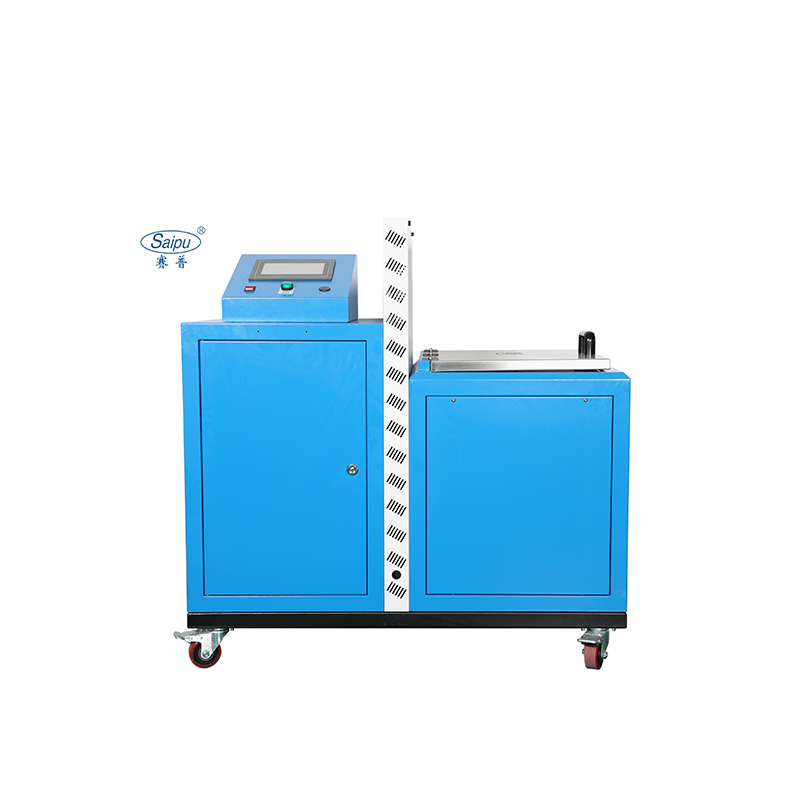
When engineering a dispensing setup, selecting the underlying pump technology is a foundational decision.
Pneumatic Piston Pumps: These units utilize compressed factory air to drive a piston, pumping the fluid forward. They are highly effective for intermittent applications and generate high pressure rapidly. However, because the piston must mechanically stroke back and forth, a slight pulsation occurs in the flow. This makes them less ideal for applications requiring perfectly uniform, continuous films.
Electric Gear Pumps: Driven by AC motors, gear pumps push fluid through intermeshing steel gears. This technology yields a highly accurate, continuous, and pulseless flow. Electric gear pumps remain the gold standard for high-precision scenarios. Continuous slot coating is a prime example, where exacting volume control over a sustained duration is non-negotiable.
Feature | Pneumatic Piston Pump | Electric Gear Pump |
|---|---|---|
Drive Mechanism | Compressed Air | AC Electric Motor |
Flow Characteristics | Slight pulsation during piston stroke | Smooth, continuous, pulseless flow |
Best Application | Intermittent dots, packaging, general assembly | Continuous lines, slot coating, high precision |
Viscosity Handling | Excellent for high-viscosity adhesives | Better for consistent, medium-to-low viscosity |
The chemical nature of the adhesive dictates the machine's internal architecture. Traditional Ethylene Vinyl Acetate, commonly known as EVA, systems utilize open-tank designs. EVA is a standard thermoplastic. It melts when heated and solidifies when cooled, making it ubiquitous in cardboard packaging and general assembly.
Conversely, Polyurethane Reactive, or PUR, adhesives demand highly specialized equipment. PUR not only cools to solidify but simultaneously undergoes a chemical cross-linking reaction with ambient moisture. Once fully cured, a PUR bond cannot be remelted. This offers staggering temperature and chemical resistance. Because it reacts with the air, PUR equipment must be hermetically sealed. Engineers often utilize foil-wrapped slugs or platen seals to prevent the polymer from curing solidly inside the tank.
Tank capacity dictates operator intervention frequency. For boutique woodworking, a compact 5-liter tank suffices. However, heavy-duty industrial applications consume massive volumes of polymer hourly. In these demanding environments, standard tanks fail to keep pace. Implementing a high-capacity Hot Melt Glue Machine equipped with a 60 Kg tank drum ensures that high-speed production lines never experience adhesive starvation. These robust units, such as the SP-6002G series, handle massive melt rates. They allow wide applicator heads to spray consistent layers across large surface areas without pressure drops.
The bedding industry relies intensely on robust adhesive systems to bond thick layers of memory foam, encapsulate pocket springs, and secure quilted outer fabrics. Because mattresses possess massive surface areas, small manual dispensers are entirely unviable. For these heavy-duty operations, deploying a specialized industrial Hot Melt Glue Machine is the industry standard. These high-volume systems provide continuous fluid delivery. This ensures that wide swirl-spray nozzles can coat foam sheets rapidly and evenly without thermal fluctuations.
In custom cabinetry, point-of-purchase display fabrication, and boutique packaging, flexibility trumps sheer volume. Smaller, electrically driven gear pump systems shine here. Craftsmen utilize precise bead applications to secure delicate edge banding without visible mechanical fasteners. Automated dispensers ensure that intricate cardboard displays are bonded cleanly. This preserves the pristine aesthetic of the final retail product.
The automotive and consumer electronics sectors demand absolute precision. In vehicle assembly, hot melt systems bond interior door panels, secure headliners, and attach acoustic dampening insulation. In electronics, micro-dispensing heads apply microscopic dots of adhesive to anchor delicate wires. They also pot fragile components to absorb vibration and hermetically seal device housings. These rigorous applications frequently utilize PUR adhesives for their unyielding durability under extreme environmental stress.
Operational efficiency begins with meticulous calibration. Every adhesive possesses a specific technical data sheet outlining its optimal application temperature and viscosity curve. Operators must dial in the tank, hose, and gun temperatures to match these exact specifications. Setting the heat too low spikes the viscosity. This results in poor flow, stringing, and ultimately, weak bonds. Conversely, excessive heat degrades the polymer. It causes the adhesive to oxidize and form hard char that will inevitably clog the system. Pressure settings must also align with line speed. Excessive pressure causes messy overspray, while inadequate pressure results in structural failure.
The applicator head is the final point of control. It dictates the pattern and precision of the fluid.
Bead Nozzles: Deployed for standard linear applications. Examples include sealing heavy carton flaps or laying structural lines in appliance assembly.
Spray Nozzles: Utilize swirl air to atomize the fluid into a wide, fibrous web. This is highly efficient for covering expansive surface areas, like foam bonding, using the absolute minimum amount of material.
Slot Coating Heads: Extrude a flat, continuous film. These are critical in label manufacturing and medical tape production, where a perfectly even, microscopic layer is mandatory.
To unlock maximum throughput, the dispensing system must be holistically integrated into the broader manufacturing line. Modern equipment features deep controller integration capabilities. By connecting the dispenser to the conveyor system's rotary encoders, the machine automatically scales its pump speed to match the physical speed of the belt. If the conveyor decelerates, the pump identically slows down. This ensures the adhesive volume remains perfectly consistent per product. Integrating optical sensors further ensures that the dispensing guns fire exclusively when a product is perfectly aligned beneath them.
Recent industry analyses highlight a massive shift toward smart manufacturing and real-time quality control within adhesive application technologies. As raw material costs rise, manufacturers are demanding systems that offer microscopic precision to eliminate waste. Modern dispensers are increasingly equipped with Internet of Things capabilities. Plant managers can now monitor adhesive consumption, temperature stability, and pump pressure in real-time from remote dashboards.
This data-driven approach facilitates predictive maintenance. It alerts operators to potential clogs or heater failures before they cause unexpected downtime. Furthermore, sustainability is driving innovation. The market is seeing a surge in advanced applicators capable of handling lower-temperature adhesives and bio-based hot melts. This significantly reduces the carbon footprint and energy consumption of the packaging and assembly sectors while maintaining structural integrity.
Selecting the correct industrial adhesive equipment is a critical capital expenditure. It directly dictates your operational efficiency and bottom line. With a vast array of configurations available, making an informed decision requires a systematic evaluation of your specific manufacturing parameters.
The most fundamental metric to evaluate is the machine's melt rate. This refers to the volume of solid adhesive the system can convert into a liquid state at the designated operating temperature per hour. To determine your requirement, calculate your hourly adhesive consumption by multiplying the amount of glue required per product by your target production rate. Industry engineers suggest adding a thirty percent safety margin to this figure to accommodate production surges.
For high-volume environments, tank capacity is equally crucial. In industries bonding thick foam layers, a massive supply of adhesive is required. Implementing an industrial-grade Hot Melt Glue Machine designed for mattress packaging ensures that the line can run for extended shifts. You avoid labor-intensive refilling interruptions entirely.
Equipment downtime translates instantly to lost revenue. Therefore, assessing mechanical reliability is paramount. Look beyond glossy marketing specifications. Seek empirical data regarding the machine's Mean Time Between Failures. Analyze industry case studies to understand how the equipment performs under real-world stress. Pay close attention to the stability of the gear pumps, the longevity of the heated hoses, and the manufacturer’s post-sale technical support infrastructure.
Focusing solely on the initial purchase price is a prevalent procurement error. A comprehensive financial assessment must calculate the Total Cost of Ownership over the machine's projected lifecycle. Energy efficiency plays a massive role, as these machines rely on powerful heating elements. Advanced systems equipped with intelligent standby modes significantly reduce power consumption during idle periods. Additionally, factor in the replacement frequency and cost of consumable components like inline filters and precision nozzles.
Cost Category | Description | Long-Term Impact |
|---|---|---|
Capital Expenditure | Initial purchase price, shipping, and installation. | High initial impact, diminishes over operational lifecycle. |
Energy Consumption | Electricity required to power heating tanks and hoses. | Moderate to high continuous impact; efficiency matters. |
Consumable Parts | Routine replacement items like filters, nozzles, and O-rings. | Moderate continuous impact; requires predictable budgeting. |
Adhesive Waste | Cost of glue lost due to inaccurate dispensing or charring. | High potential impact; precision machinery heavily mitigates this. |
Even the most sophisticated industrial equipment demands rigorous, systematic maintenance to sustain peak performance. Implementing a proactive protocol extends the lifespan of your heavy-duty Hot Melt Glue Machine and drastically reduces the likelihood of catastrophic mechanical failures.
The most prevalent enemy of adhesive application is charring. This occurs when the polymer undergoes thermal degradation due to prolonged exposure to high temperatures and oxygen. It hardens into a dark, abrasive carbon substance. This char clogs inline filters and permanently damages precision applicator nozzles.
To combat this, operators must adhere to strict cleaning schedules. Daily maintenance involves a visual inspection of the applicator heads. Gently wipe down the exterior of the nozzles with approved cleaning solutions while the system remains warm. Weekly protocols require inspecting the inline filters and monitoring pump pressure for anomalies. If switching to a different adhesive chemistry, a complete system purge using a specialized cleaning compound is absolutely mandatory to prevent cross-contamination.
Improper startup and shutdown habits are leading causes of premature component wear. During shutdown, never simply cut the main power while the tank is at maximum operating temperature. Doing so leaves the adhesive stagnant in a highly heated state. This rapidly accelerates charring. Instead, utilize the machine's standby mode. This lowers the temperature to a safe holding level, preserving the chemical properties while saving energy.
Startup requires equal discipline. Industrial dispensers utilize a sequential heating process to prevent mechanical damage. The melting tank must heat first, followed by the hoses, and finally the applicator heads. If hoses heat before the tank, expanding fluid has nowhere to flow. This causes severe pressure build-up that can rupture lines or blow internal seals. Always wait until all thermal zones reach their target before engaging the pumps.
A high-quality industrial dispensing system fundamentally transforms your production line. By delivering exact adhesive placement at blistering speeds, this technology ensures unbreakable structural bonds while virtually eliminating raw material waste. Whether you are operating a boutique custom fabrication shop or managing a massive facility that demands robust, high-capacity automatic gluing systems, selecting the right equipment is paramount. Investing in reliable, precision-engineered dispensing technology is not merely a purchase. It is a strategic upgrade that pays for itself rapidly through lowered labor costs and standardized product excellence. Evaluate your current gluing processes today. Explore the advanced, high-capacity solutions at Saipu Machine to find the exact equipment tailored to your production demands. Transform your assembly line with precision engineering today.
The primary difference lies in scale, automation, and precision. A standard glue gun is a manual, low-volume tool designed for light crafts, relying on the user's hand strength to feed solid glue sticks. This results in inconsistent flow rates. Conversely, an industrial machine is engineered for high-volume, continuous manufacturing. These systems feature large-capacity melting tanks, motorized gear pumps, and temperature-controlled heated hoses. They utilize programmable logic controllers to automate the dispensing process, ensuring exact, repeatable adhesive placement without human error.
Heat-up time varies significantly based on tank capacity, heating element wattage, and the specific adhesive formulation. Compact systems with small tanks may reach optimal operating temperatures within fifteen to thirty minutes. However, heavy-duty industrial systems, such as 60 Kg tank drum unloaders used in mattress manufacturing, require considerably more time to safely melt large volumes. These often take forty-five to ninety minutes. Many modern machines feature programmable timers that automatically begin the heating sequence before the shift starts.
Polyurethane Reactive hot melt machines offer distinct structural advantages due to the unique chemical properties of PUR adhesives. Unlike standard hot melts that simply cool and solidify, PUR undergoes a secondary chemical curing process, cross-linking with ambient moisture. This creates an irreversible, incredibly strong bond that cannot be remelted. PUR bonds exhibit superior resistance to extreme heat, cold, and harsh chemicals, making these machines ideal for demanding industries like automotive assembly and electronics manufacturing.
Maintenance frequency depends on production volume and operating environment, but a tiered approach is universally recommended. Basic visual inspections and nozzle wipe-downs should be conducted daily. On a weekly basis, personnel should inspect inline filters for debris and verify stable pump pressures. A deep, comprehensive maintenance session, including purging the entire system with cleaning compounds and calibrating temperature zones, should typically be performed every three to six months to guarantee long-term reliability.
For efficient spray applications, particularly in wide-web foam bonding, the adhesive viscosity should generally fall between 2,000 and 5,000 centipoise at operating temperature. If the viscosity is too high, the swirl air cannot properly atomize the fluid, resulting in heavy, uneven globs. If it is too low, the adhesive may mist uncontrollably, causing severe overspray and poor structural transfer. Always consult the adhesive's technical data sheet to dial in the exact temperature required to hit this viscosity sweet spot.
Stringing is typically caused by incorrect temperature settings or sluggish nozzle actuation. First, verify that the applicator head and hose temperatures are precisely calibrated to the manufacturer's specifications. If the adhesive is too cold, it becomes stringy. Next, ensure your pneumatic or solenoid valves are operating at peak efficiency. Worn seals or inadequate air pressure can cause the valve to close slowly, dragging a tail of adhesive onto the product. Upgrading to zero-cavity modules can also physically eliminate the space where fluid lingers after the valve shuts.


