
close
Choose Your Site
Global
Social Media
Views: 0 Author: Site Editor Publish Time: 2026-09-30 Origin: Site


Unplanned downtime represents more than a simple mechanical failure on the factory floor. It acts as a compounding business cost. You lose money through scrapped packaging materials, idle labor, and missed production deadlines. Modern dispensing equipment demonstrates high resilience. However, neglecting routine care quickly accelerates component degradation across your production line. Worn nozzles, degraded hoses, and carbonized melt tanks eventually shut down operations entirely. Minimizing this costly downtime requires a decisive operational shift. We must move away from reactive repair cycles. We need to implement predictive maintenance protocols instead. You also need to evaluate baseline equipment reliability long before finalizing procurement. Establishing robust daily routines protects your production schedules. Selecting machines built for longevity reduces long-term labor burdens. You will learn how to structure realistic maintenance workflows effectively. We will explore the critical importance of preventing adhesive char. Finally, we will cover how hardware specifications and vendor support directly influence equipment uptime.
Proactive SOPs: Implementing structured daily, weekly, and monthly maintenance checklists reduces unexpected line stoppages by catching degradation early.
Char Prevention: Controlling thermal degradation (char) is the single most effective way to extend component lifespan and maintain adhesive flow.
Specification Matters: Procuring equipment with the right baseline capabilities drastically reduces the long-term maintenance burden.
Supplier Support: A reliable vendor guarantees rapid parts availability and technical support, mitigating the severity of the downtime that does occur.
Running an industrial hot melt system to failure inflicts severe financial damage on manufacturing operations. We must look closely beyond the immediate price tag of a broken replacement part. When a production line stops unexpectedly, financial losses compound rapidly. You pay direct labor wages while machine operators stand idle. Wasted substrates and degraded adhesives add expensive material losses. Facilities also face premium courier fees for expedited emergency shipping.
Many plant managers fall into the dangerous "run-to-fail" fallacy. They assume skipping scheduled upkeep saves valuable production time. This reactive approach always backfires in practice. Minor mechanical issues rarely resolve themselves autonomously. A partial nozzle clog increases fluid backpressure immediately. This excess pressure strains internal pump seals. Eventually, you experience blown seals or dangerous manifold ruptures.
A healthy maintenance strategy requires predictable scheduling. We want to align machine servicing windows seamlessly alongside existing factory changeovers. This integration eliminates surprise stoppages completely. The chart below illustrates the stark financial contrast between reactive and proactive strategies.
Cost Category | Reactive Approach (Run-to-Fail) | Proactive Approach (Predictive) |
|---|---|---|
Labor Costs | High idle time during unexpected stops. | Optimized scheduling during planned shifts. |
Material Waste | Severe substrate loss from poor application. | Minimal waste through consistent dispensing. |
Parts Shipping | Expensive overnight emergency freight. | Standard ground shipping for scheduled parts. |
Equipment Lifespan | Shortened due to cascading system failures. | Maximized through routine component care. |
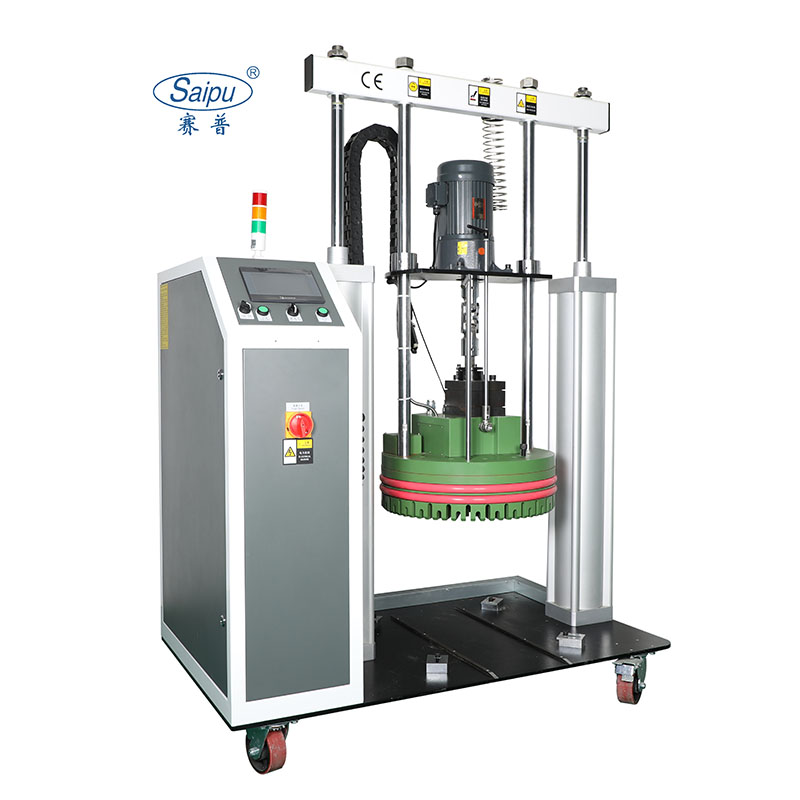
Minimizing equipment failures demands a realistic, multi-tiered schedule. You cannot rely on operator memory or informal daily routines. A structured approach catches component degradation early. Facilities need clear standard operating procedures.
Daily Checks: Visual inspections matter most during daily operations. Operators should check manifolds for active leaks. They must verify tank levels constantly throughout the shift. Keeping the glue tank full prevents extreme thermal shock. You should also wipe down applicator nozzles carefully while they remain warm.
Weekly and Monthly Audits: Maintenance teams must dig deeper into system health. Mechanics need to check inline filters for charred debris. Inspect all heated hoses for external wear or sharp kinks. You must verify uniform temperature zones across the entire dispensing manifold.
Quarterly and Annual Deep Cleans: Schedule comprehensive equipment overhauls regularly. This process includes full fluid purging. Drain all internal tanks completely. Replace worn O-rings before they begin leaking. You also need to recalibrate hydraulic pump pressure settings.
Severe implementation risks exist. Checklists fail completely without rigorous operator training. We strongly recommend attaching visual guides directly onto the machinery. Laminated cards help workers perform required checks consistently. Proper training empowers operators to identify minor anomalies before they escalate into major production delays.
Char destroys internal equipment faster than normal mechanical wear. It results directly from thermal degradation. Oxidation of the adhesive also contributes heavily. When glue cooks excessively, it hardens into abrasive solid particles. These dangerous particles travel quickly through the manifold. They destroy pump gears and permanently clog fine dispensing nozzles.
Root causes are highly preventable in most facilities. Leaving tanks partially empty exposes hot fluid to ambient oxygen. Running operating temperatures higher than recommended accelerates chemical degradation. Exposing the tank interior to airborne plant dust creates immediate contamination. Operators often leave tank lids open carelessly.
Mitigation requires strict environmental control. Auto-feed systems provide massive reliability benefits. They keep holding tanks at optimal fill levels constantly. This automation minimizes harmful oxygen exposure. Operators must strictly adhere to specific temperature guidelines provided by the adhesive manufacturer. Dropping temperatures during idle weekend shifts prevents unnecessary baking.
Maintain a highly skeptical lens regarding "char-free" adhesives. Modern chemical formulations reduce carbon buildup significantly. However, they do not eliminate mechanical maintenance entirely. You still need routine system purging. No absolute zero-maintenance chemical solution exists in real-world manufacturing environments.
Root Cause of Char | Negative System Impact | Actionable Mitigation Strategy |
|---|---|---|
High Operating Temperatures | Accelerated adhesive oxidation and burning. | Calibrate sensors and follow data sheets strictly. |
Low Tank Levels | Increases oxygen exposure inside the chamber. | Install pneumatic auto-feed delivery systems. |
Open Tank Lids | Introduces airborne dust and abrasive debris. | Keep lids sealed tightly during normal production. |
Maintenance burdens are often locked in during the initial procurement phase. Buying cheap equipment guarantees high labor costs later. Plant engineers must evaluate hardware features carefully. Different machines require vastly different upkeep routines.
You must compare system architectures objectively. A standard oem production industrial hot melt system offers highly predictable performance. It features widely available replacement parts. Facilities benefit from standardized, rigorously tested maintenance manuals. Conversely, a custom industrial hot melt system handles niche packaging substrates perfectly. However, it often requires specialized maintenance protocols. You might also depend on expensive proprietary components.
You must evaluate features by their real-world maintenance outcomes. Specific hardware choices inherently reduce unexpected downtime.
Teflon-Coated Tanks: Non-stick interior surfaces reduce char adhesion significantly. This feature cuts weekly cleaning times in half.
Zoned Temperature Controls: Independent heating zones prevent localized overheating. Stagnant fluid areas no longer burn prematurely.
Smart Diagnostics: Advanced HMI screens alert operators instantly. They move maintenance away from calendar-based guessing. Teams shift toward condition-based precision.
Integrated Filtration: Dual-stage filters catch microscopic debris. They protect delicate internal pump gears from abrasion.
We must acknowledge financial realities transparently. High-specification systems require a higher upfront capital expenditure. They offset this initial cost by drastically reducing weekly labor hours dedicated to manual cleaning. Upgrading your technology yields massive financial savings over a ten-year operational lifespan.
You must vet a partner far beyond the initial hardware sale. The right vendor keeps your production line moving smoothly. An unreliable vendor leaves you stranded during critical packaging seasons.
An industrial hot melt system supplier must prove their logistics capabilities immediately. They should keep critical wear parts in stock locally. This inventory includes precision nozzles, electronic modules, and heated hoses. Next-day shipping capabilities are absolutely essential for avoiding extended shutdowns.
Evaluate their technical support structure carefully. Do they offer comprehensive on-site operator training? Ask them about preventative maintenance contracts. Expert technicians catch subtle issues. Your internal team might miss early warning signs of pump failure.
Ensure strict safety compliance across their catalog. Systems must meet regional electrical codes. Look for CE or UL certifications on all electrical panels. This compliance directly impacts your facility safety audits. It also affects commercial insurance premiums heavily.
As a practical next step, request a trial unit. Ask shortlisted suppliers to validate their maintenance claims on your actual production floor. Real-world testing reveals the true daily maintenance burden.
Maximizing equipment uptime demands a proactive dual approach. You need rigorous internal routines focused heavily on char prevention. You also need a strategic procurement process. Buying hardware engineered for easy cleaning eliminates countless hours of manual labor. Regular inspections stop small leaks from becoming massive line stoppages. Operator training remains the cornerstone of any reliable production facility.
Take action today. Audit your current maintenance logs carefully. Identify recurring mechanical failure points across your plant. Consult an expert vendor to evaluate your aging hardware objectively. Sometimes, keeping an old machine running costs far more than a complete technological upgrade.
A: It depends heavily on your adhesive type and daily usage. We generally recommend performing a full system purge every three to six months. You must also purge the equipment immediately when changing chemical formulations. Mixing different glues causes dangerous cross-linking and severe internal clogs.
A: Operators should watch for inconsistent application temperatures. Visible black char in the extrusion bead often indicates internal hose degradation. External stiffening, brittle patches, or discoloration of the outer jacket also signal impending failure. Replace degraded hoses immediately before they rupture under high fluid pressure.
A: Third-party parts carry major operational risks. They can void OEM warranties entirely. They also alter your industrial hot melt system specifications. If third-party manufacturing tolerances do not match OEM standards perfectly, they cause premature catastrophic failures and expensive fluid leaks.


