
close
Choose Your Site
Global
Social Media
Views: 0 Author: Site Editor Publish Time: 2026-01-07 Origin: Site


In today's fast-paced manufacturing world, efficiency and durability are key. Have you ever wondered how industries achieve such strong, lasting bonds with minimal waste? The answer often lies in the use of a PUR hot melt glue machine.
PUR hot melt glue is a unique adhesive that forms strong, durable bonds through a chemical reaction with moisture in the air. In this article, we'll explore the crucial role of PUR hot melt glue machines and how they’re transforming industries by providing cost-effective, high-quality bonding solutions.
PUR hot melt glue machines are essential for dispensing polyurethane adhesives to create strong, durable bonds. These machines heat the adhesive to a molten state and apply it smoothly to surfaces. The adhesive reacts with moisture in the air to form a robust bond.
Key features of PUR hot melt glue machines include:
● Precise Application: Ensures accurate adhesive dispensing, minimizing waste.
● Heat Control: Heats the adhesive to the required molten state for smooth application.
● Prevents Premature Curing: Ensures the adhesive stays in liquid form until applied.
● Chemical Bonding: Forms a strong, permanent bond through moisture reaction.
● Ideal for High-Demand Environments: Suitable for fast-paced, high-performance production.
This makes them perfect for industries like automotive, electronics, and packaging.
A PUR hot melt glue machine is made up of several key components that work together to deliver precise, effective adhesive application. At the core, the glue barrel holds the adhesive in solid form. The heating plate melts the adhesive, and the pressure plate controls the rate at which the adhesive is dispensed. The dispensing system ensures that only the required amount of glue is applied, reducing waste. Importantly, the machine operates in a nitrogen-sealed environment to prevent the adhesive from reacting prematurely with moisture in the air. This feature is crucial because PUR adhesives cure upon exposure to moisture, so careful control is necessary to ensure a strong bond without waste.
While both traditional hot melt and PUR hot melt adhesives are dispensed in a molten state, the key difference lies in the curing process. Traditional hot melts create a bond that can be re-melted if reheated, making them less durable for certain applications. In contrast, PUR adhesives undergo a chemical reaction with moisture during the cooling process, forming a permanent, high-strength bond that cannot be undone. This makes PUR hot melt glue machines especially valuable in industries where long-lasting, high-performance bonding is essential.
Feature | Traditional Hot Melt | PUR Hot Melt |
Bond Strength | Can be re-melted and undone | Permanent, high-strength bond |
Curing Process | Cooling only | Chemical reaction with moisture |
Durability | Less durable | Long-lasting and durable |
Applications | Suitable for less demanding tasks | Ideal for high-performance bonding |
One of the most significant advantages of using PUR hot melt glue machines is the strength and durability of the bond formed. PUR adhesives create bonds that are not only resistant to heat but also to chemicals, moisture, and physical wear. These properties make them ideal for demanding applications in industries such as automotive manufacturing and electronics, where strong, reliable bonding is crucial.
PUR hot melt glue machines are highly energy-efficient. With advancements in technology, these machines are designed to reduce energy consumption while maintaining high output. The heating systems, such as electromagnetic induction heating, have thermal efficiencies greater than 95%, which means that less energy is required to melt the adhesive. This feature contributes to lower operational costs and increased production efficiency.
Another key benefit of PUR hot melt glue machines is their environmental impact. Unlike traditional solvent-based adhesives, which emit volatile organic compounds (VOCs), PUR adhesives are solvent-free. The curing process releases minimal water vapor, making it a more environmentally friendly option. Additionally, the machines are designed to minimize waste glue, further enhancing their eco-friendly appeal.
Although the initial investment in a PUR hot melt glue machine may be higher than traditional adhesive systems, the long-term savings are significant. These machines reduce waste, energy consumption, and the need for additional curing equipment, all of which contribute to lower production costs over time. Furthermore, the durability of the bonds reduces the need for repairs and replacements, further improving the cost-effectiveness of using PUR hot melt adhesives.
Benefit | Description |
Stronger and More Durable Bonds | Bonds are resistant to heat, chemicals, and wear, ideal for demanding applications. |
Energy Efficiency | High thermal efficiency (95%+), reducing energy consumption and costs. |
Environmental Impact | Solvent-free and minimal water vapor, reducing VOC emissions. |
Cost Effectiveness | Long-term savings through reduced waste, energy use, and no extra curing equipment. |
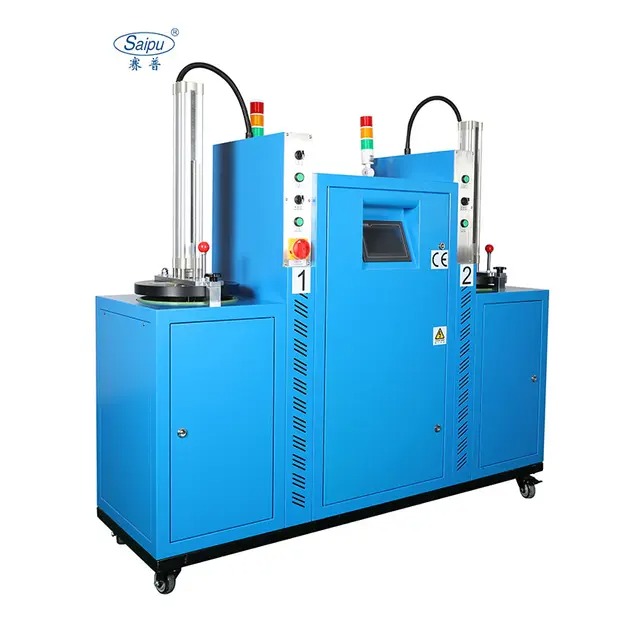
Modern PUR hot melt glue machines are equipped with advanced dispensing technologies that ensure accurate and consistent adhesive application. These machines can apply precise amounts of adhesive, minimizing waste and ensuring that the bond is applied where it is needed most. This high-precision dispensing is crucial in industries like electronics, where even small variations in adhesive amounts can affect the final product's quality.
PUR hot melt glue machines offer flexibility in the types of coating methods they support. They can handle spiral spraying, roller coating, and precision dispensing, allowing manufacturers to choose the most suitable application technique for their needs. This versatility is especially beneficial for industries that require precise, high-quality adhesive application across a variety of materials and product shapes.
The ability to control temperature and curing rates is another standout feature of PUR hot melt glue machines. The machines are equipped with systems that ensure the adhesive is heated to the optimal temperature for application. Additionally, the curing process can be monitored and adjusted to ensure the bond forms correctly without over-curing or under-curing, both of which can compromise the adhesive's effectiveness.
Feature | Description |
High-Precision Dispensing | Ensures accurate and consistent adhesive application, reducing waste. |
Process Flexibility | Supports various coating methods like spiral spraying, roller coating, and precision dispensing. |
Temperature and Curing Control | Allows precise control over heating and curing to ensure optimal bond formation. |
In the automotive industry, PUR hot melt glue machines are used to bond a wide range of components, such as door panels, dashboards, and interior parts. The strong bonds formed by PUR adhesives ensure that the parts stay securely in place, even under the stress of driving conditions. PUR adhesives are particularly valuable for bonding materials like plastics and metals, which are commonly used in vehicle manufacturing.
Woodworking and furniture manufacturers rely on PUR hot melt glue machines for precision bonding in the assembly of wooden furniture and fixtures. The durability and strength of PUR adhesives make them ideal for use in high-stress applications, such as joining wooden panels or attaching hardware. Additionally, the fast curing time helps speed up production and reduces the need for additional drying equipment.
In electronics, PUR hot melt glue machines are crucial for assembling devices like mobile phones, tablets, and other precision equipment. These machines ensure that components like screens and circuit boards are securely bonded without damaging sensitive parts. The high precision and durability of PUR adhesives make them essential in the fast-paced world of electronics manufacturing.
PUR hot melt glue machines are also used in the packaging industry for tasks such as sealing boxes and attaching labels. In the textile industry, they are used to bond fabrics and other materials, providing strong, long-lasting adhesive solutions. The ability to apply PUR adhesives quickly and efficiently is a significant advantage in high-speed manufacturing environments.
Industry | Application |
Automotive Manufacturing | Bonds parts like door panels and dashboards. |
Woodworking and Furniture | Joins wooden panels and fixtures, ensuring durability. |
Electronics and Precision Devices | Bonds screens and circuit boards in mobile devices. |
Packaging and Textile | Seals boxes, attaches labels, and bonds fabrics. |
The quick curing time of PUR adhesives ensures that production cycles are shorter, allowing manufacturers to produce more products in less time. This faster curing time also reduces the need for additional drying equipment, saving both space and costs in the production process.
Since PUR adhesives cure quickly at room temperature, there is no need for additional drying equipment. This streamlines the production process, reduces energy costs, and makes the overall operation more efficient. Eliminating the need for drying ovens or other curing systems is a major advantage in fast-paced manufacturing environments.
PUR hot melt glue machines are designed to minimize waste by ensuring that only the necessary amount of adhesive is applied. This not only reduces material costs but also contributes to a more sustainable production process. By improving material handling, manufacturers can optimize adhesive usage and reduce waste.
Feature | Benefit |
Faster Curing Times | Shortens production cycles, reduces need for drying equipment. |
No Need for Additional Drying Equipment | Cures quickly at room temperature, reducing energy costs. |
Reduced Waste and Improved Material Handling | Ensures precise adhesive application, reduces material costs, and minimizes waste. |
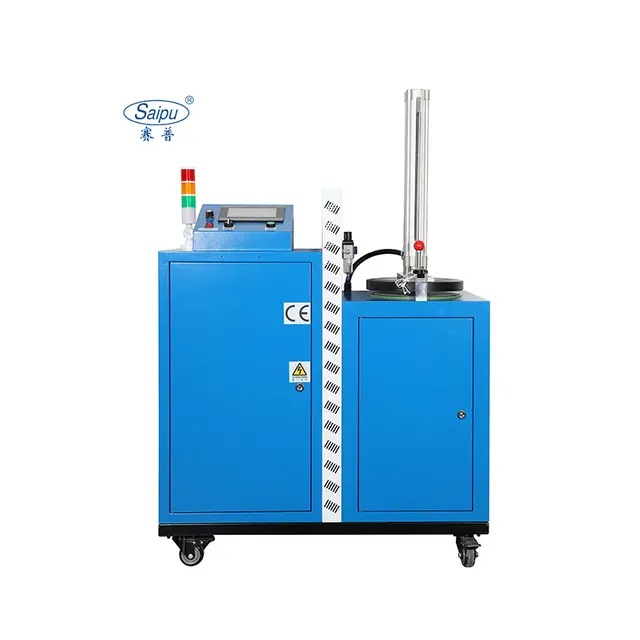
The future of PUR hot melt glue machines is promising, with continuous advancements in automation, artificial intelligence, and precision control. These innovations will make machines even more efficient, precise, and adaptable to different manufacturing needs. As these technologies evolve, the accuracy of adhesive application will improve, leading to even better product quality and production speeds.
As the demand for sustainable manufacturing practices grows, PUR hot melt adhesives are expected to play a significant role. Their low environmental impact, energy efficiency, and minimal waste make them a key part of the push toward greener manufacturing processes. Manufacturers adopting these eco-friendly solutions will be well-positioned to meet both regulatory requirements and consumer demand for sustainability.
PUR hot melt glue machines provide stronger, durable bonds, energy efficiency, and environmental benefits. They improve production efficiency, reduce waste, and offer a cost-effective solution across industries. Investing in these machines enhances manufacturing processes, boosting precision and eco-friendliness. Dongguan Saipu Electromechanical Device Co., Ltd. offers these advanced machines, providing valuable solutions for businesses aiming to stay competitive in the fast-paced industrial landscape.
A: A PUR hot melt glue machine is an industrial device that applies polyurethane-based adhesives. It melts the adhesive and allows it to bond materials through a chemical reaction with moisture in the air, creating strong, lasting bonds.
A: The machine melts PUR adhesive, which is then dispensed onto surfaces. The adhesive cures by reacting with moisture in the air, forming a durable and permanent bond.
A: PUR hot melt glue machines provide stronger, long-lasting bonds, are energy-efficient, reduce waste, and offer cost-effective solutions for industries like automotive and electronics.
A: Unlike traditional hot melt adhesives, PUR adhesives form permanent bonds through a chemical reaction. This makes them ideal for high-performance applications requiring durability and strength.
A: The cost of a PUR hot melt glue machine depends on features and capacity, but it provides long-term savings through reduced waste, energy consumption, and fewer repairs.


