
close
Choose Your Site
Global
Social Media
Views: 0 Author: Site Editor Publish Time: 2026-01-14 Origin: Site


Have you ever wondered how products like packages, car parts, or electronics are glued together so quickly and precisely? The answer often lies in the automatic hot melt glue machine. These machines heat solid adhesives and apply them seamlessly to various materials, streamlining production processes.
In this article, we will explore what an automatic hot melt glue machine is, how it works, and its key benefits. You’ll learn how these machines are transforming industries like packaging, automotive, and electronics with improved efficiency and consistency.
An automatic hot melt glue machine is designed to dispense hot melt adhesives onto products. These adhesives, typically solid at room temperature, are heated to a liquid state by the machine. The machine then applies the liquid adhesive precisely and efficiently onto surfaces, ensuring strong and reliable bonds. The automation aspect means the process is quicker and more consistent compared to manual application.
Automatic hot melt glue machines consist of several key components:
● Hopper: Holds the solid adhesive in pellet, stick, or block form before it's melted.
● Heating Element: Warms the adhesive to its melting point, turning it into a liquid.
● Pump: Transfers the liquid adhesive to the nozzle or dispensing gun.
● Nozzle: Dispenses the liquid adhesive onto the target surface.
● Control System: Typically a PLC or touch screen that ensures the adhesive is applied precisely in the right amount and pattern.
These components work together seamlessly, allowing for automated and continuous adhesive application.
1. Loading: The solid adhesive is loaded into the machine’s hopper.
2. Melting: The heating element melts the adhesive into a liquid form.
3. Pumping: The pump moves the melted adhesive through a hose or tube.
4. Dispensing: The liquid adhesive is dispensed through the nozzle, which is controlled by the machine’s programming.
5. Bonding: Once applied, the adhesive cools and hardens quickly, bonding the materials together.
This process, while simple, provides a high level of precision and efficiency, making it ideal for high-volume production environments.
The automation of hot melt glue machines offers several advantages, particularly in enhancing production efficiency, ensuring consistency, and reducing labor costs. Automated systems allow manufacturers to apply adhesive more efficiently, reduce human errors, and improve overall productivity. Below is a summary of these benefits:
Benefit | Description |
Efficiency | Automation speeds up adhesive application, accelerating production times. |
Consistency | Automated systems ensure uniform adhesive application every time, reducing errors. |
Reduced Labor Costs | Automation replaces manual labor, reducing human error and increasing productivity. |
By automating the glue application process, manufacturers can achieve higher throughput with less resource investment.
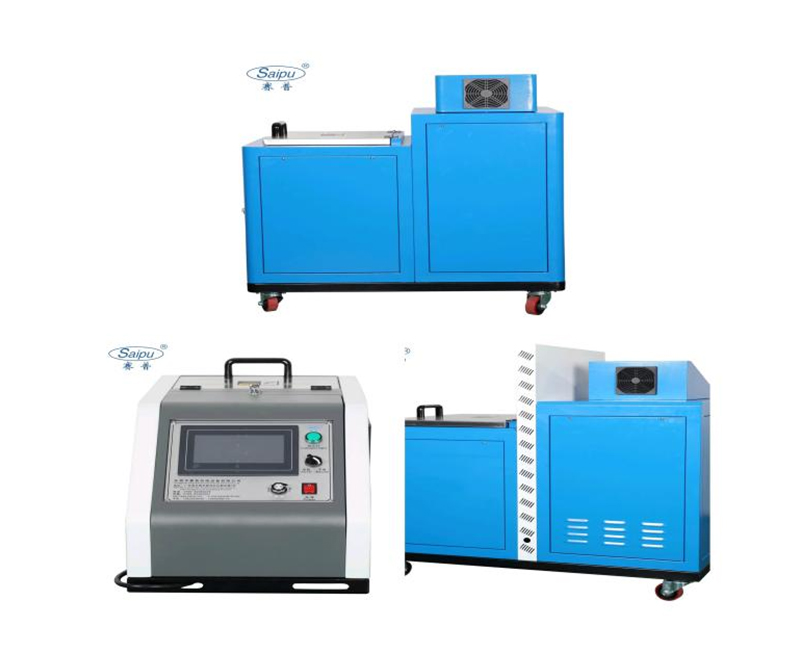
In the packaging industry, automatic hot melt glue machines are widely used for sealing cartons, boxes, and packages. These machines offer fast and reliable adhesive application, which is critical in high-speed packaging lines. The precision of the machines ensures that the glue is applied exactly where needed, reducing wastage and improving the strength of the bond.
Automatic hot melt glue machines are also extensively used in the automotive industry. They bond various parts like interior trim, door panels, and headliners. The hot melt adhesive provides strong and flexible bonds that can withstand the vibrations and temperature fluctuations typical in vehicles.
In electronics, precision is crucial. Automatic hot melt glue machines help secure components on printed circuit boards (PCBs) and assist in assembling electronic devices. These machines ensure that small amounts of glue are applied accurately, preventing any excess adhesive from damaging sensitive components.
Hot melt glue machines are commonly used in woodworking for veneering, assembling furniture, and attaching decorative elements. The quick setting time of hot melt adhesives allows manufacturers to move quickly from one step to the next, increasing productivity. The strong bonds formed by these adhesives also improve the durability of the final product.
Industry | Key Use |
Packaging | Sealing cartons, boxes, and packages |
Automotive | Bonding interior parts and trims |
Electronics | Securing components on PCBs |
Woodworking | Assembling furniture and veneering |
When selecting an automatic hot melt glue machine, businesses have the option to choose between manual, semi-automatic, and fully automatic systems. Each type offers different levels of automation and is suitable for varying production needs. Here’s a breakdown of the three options:
Type | Description |
Manual Hot Melt Glue Guns | Basic and handheld, suitable for small-scale applications and DIY projects. |
Semi-Automatic Machines | Used in medium-volume production environments. Requires some operator input but offers more automation than manual guns. |
Fully Automatic Machines | Designed for high-volume, high-precision applications. Can be programmed for specific adhesive patterns and quantities at high speeds. Ideal for large-scale manufacturing. |
Different types of hot melt glue machines are available based on specific needs:
● Gear Pump Type Machines: These are suitable for precise and continuous adhesive flow, ideal for high-speed production lines.
● Piston Pump Type Machines: These are used when exact amounts of adhesive need to be applied.
● PUR Hot Melt Glue Machines: Designed for applications that require a more durable and heat-resistant bond, such as in the automotive and construction industries.
Automation significantly speeds up the adhesive application process. Compared to manual methods, machines can apply adhesive more quickly, improving overall production speed. This is especially beneficial in high-demand environments like packaging and electronics manufacturing.
Automatic machines ensure precise control over the amount and placement of adhesive, leading to consistent results. This consistency is key in industries like electronics, where small errors can lead to costly defects.
Hot melt adhesives can bond a wide variety of materials, including paper, plastic, wood, and metal. This versatility makes automatic hot melt glue machines suitable for a wide range of industries, from packaging to automotive.
Since hot melt adhesives are solid at room temperature, they don’t require solvents or drying time. This results in a cleaner, more environmentally friendly operation. It also eliminates the mess typically associated with liquid adhesives.
Advantage | Description |
Speed and Efficiency | Faster application for improved production speed. |
Precision and Consistency | Ensures uniform adhesive placement, reducing errors. |
Versatility in Bonding | Bonds paper, plastic, wood, metal, and more. |
Cleaner Operations | No solvents or drying, leading to a cleaner process. |
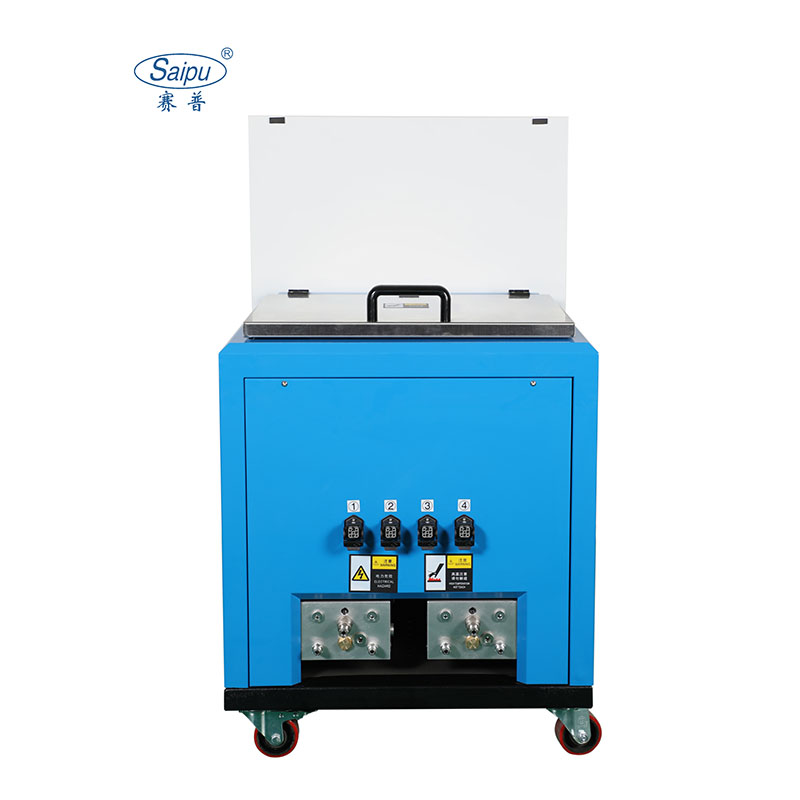
Choosing the right machine capacity is crucial. Businesses should consider the volume of adhesive needed for their specific applications. Machines should be selected based on production volume, with a capacity that exceeds actual needs to allow for future growth.
Different industries require different types of machines. For example, the packaging industry may prioritize high-speed machines with large reservoirs, while the electronics industry may need machines with precise control systems for small-scale applications.
Precision is vital, especially in high-accuracy applications. Many automatic hot melt glue machines come with advanced control systems such as PLCs or touch screens, which allow operators to customize the adhesive application process for maximum efficiency and accuracy.
Consideration | Description |
Capacity | Select a machine with a capacity that supports growth. |
Industry Needs | Choose based on industry specifics (e.g., packaging, electronics). |
Precision & Control | Ensure the machine has advanced control systems like PLCs for accuracy. |
Automatic hot melt glue machines improve efficiency, precision, and consistency in industries like packaging, automotive, electronics, and woodworking. These machines help businesses select the right equipment to meet their production needs, boosting overall productivity. By investing in these machines, companies can reduce labor costs, enhance product quality, and stay competitive. Dongguan Saipu Electromechanical Device Co., Ltd. offers reliable solutions, providing value through high-performance machines that streamline adhesive processes for better results.
A: An automatic hot melt glue machine heats solid adhesive to a liquid state and applies it precisely to various surfaces for bonding, improving speed and consistency in production.
A: The machine melts solid adhesive, pumps the liquid glue through a hose, and dispenses it onto products using automated nozzles, ensuring precise application.
A: It improves efficiency, ensures consistent adhesive application, and reduces labor costs, making it ideal for high-volume production lines.
A: These machines can bond various materials, including paper, plastic, metal, and fabric, making them versatile for many industries.
A: The cost varies depending on capacity, automation level, and application needs. Typically, fully automatic machines are more expensive than semi-automatic models.
A: An automatic hot melt glue machine is faster, more consistent, and reduces human error, making it ideal for high-speed production environments.


