
close
Choose Your Site
Global
Social Media
Views: 0 Author: Site Editor Publish Time: 2025-12-31 Origin: Site


Glue sprayers are a game-changer in both professional and DIY projects. Have you ever struggled with uneven glue application? A glue sprayer offers a quick and precise solution to ensure a clean, strong bond.
In this article, we will explore what glue sprayers are, how they work, and when you should use them. You'll also learn about their various types, key benefits, and helpful tips for optimal use.
A glue sprayer is a device that applies adhesive in a fine mist, often from a pressurized container. The glue is dispensed evenly across the surface, allowing for precise application. This makes glue sprayers ideal for large and irregular surfaces that require uniform coverage, such as fabric, foam, metal, wood, and paper.
The pressurized spray ensures that the adhesive is spread consistently, reducing the chances of drips, clumps, or uneven bonding—common issues when using traditional adhesives like brushes or rollers.
Unlike traditional methods, glue sprayers provide a more controlled and quicker way to apply adhesives. Traditional gluing methods often require the use of brushes or rollers, which can result in uneven application or excess adhesive. Glue sprayers, on the other hand, allow for a finer and more consistent distribution of glue, making them ideal for projects that require precision and a clean finish.
● Pressurized Mist Application: Allows for even coverage across large areas.
● Uniform Coverage: Ensures no clumping, streaks, or bubbles in the adhesive.
● Versatility: Bonds a wide range of materials, including wood, metal, fabric, foam, and glass.
● Repositionable and Permanent Options: Available in both temporary (repositionable) and permanent formulas depending on the project.
Glue sprayers are commonly used in arts and crafts, providing a smooth and quick application for delicate projects like photo mounting, collages, and creating 3D artwork. Their ability to apply a thin, even layer of adhesive makes them ideal for sticking paper, fabric, and other lightweight materials without causing wrinkles or damage. Additionally, glue sprayers are great for applying wallpaper or decorative paper to surfaces.
When reupholstering furniture or attaching fabrics to wood, glue sprayers are a game-changer. They allow for an even adhesive layer, ensuring fabrics stay firmly attached without causing unsightly lumps or residue. Whether fixing clothes or creating custom cushions, glue sprayers can provide a more efficient and uniform application compared to traditional methods.
Glue sprayers are also useful in furniture and construction repairs. Whether you're bonding wood, attaching veneers, or fixing household items, the consistent mist application ensures a stronger and cleaner bond. For larger-scale applications, like installing insulation panels or vapor barriers, glue sprayers are especially helpful in saving time and ensuring even coverage.
Beyond the home, glue sprayers have found their way into the automotive industry. They're used for trim work, interior repairs, and custom applications. Their ability to bond a wide variety of materials, such as plastics, fabrics, and metals, makes them suitable for various niche projects like vehicle restoration and marine upholstery.
Application | Description |
Crafts and Decor | Ideal for photo mounting, collages, and 3D artwork with thin, even layers. |
Upholstery and Fabric | Perfect for reupholstering furniture and attaching fabrics without lumps. |
Furniture and Repairs | Bonds wood, attaches veneers, and repairs household items efficiently. |
Automotive and Niche | Used in automotive trim work, interior repairs, and vehicle restoration. |
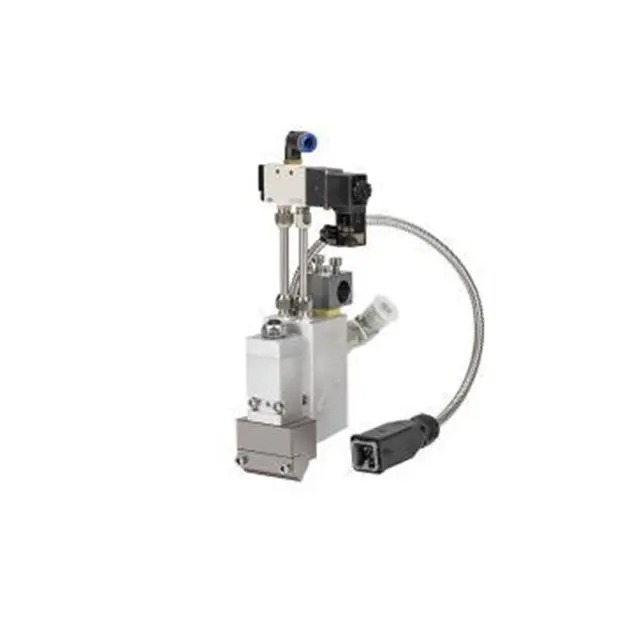
One of the key decisions when using glue sprayers is choosing between temporary and permanent adhesives. Temporary adhesives are repositionable, allowing you to adjust the material placement before the glue fully sets. These are perfect for projects like crafts, where you need to make minor adjustments.
In contrast, permanent adhesives provide a stronger, long-lasting bond. These are ideal for projects where durability is key, such as upholstery work, furniture repairs, and certain industrial applications.
Type | Description |
Temporary | Repositionable, ideal for crafts and projects requiring adjustments. |
Permanent | Strong, long-lasting bond for upholstery, furniture, and industrial work. |
Specialty glue sprayers are designed for specific materials that need extra care. Here are a few examples:
● Spray adhesives for foam: Provide a strong bond while preserving foam's flexibility and softness.
● Upholstery foam adhesives: Used in automotive or upholstery projects to securely attach foam to surfaces.
● Leather adhesives: Specialized for bonding leather without damaging its texture.
Before using a glue sprayer, make sure you're working in a well-ventilated area, as the aerosol fumes can be strong. Wear protective gear like gloves and a mask to avoid contact with the adhesive. It’s also important to protect surrounding surfaces with cloth or paper to prevent accidental adhesive spills.
Ensure the surface you're bonding is clean and dry. Any dirt, dust, or moisture can interfere with the adhesive’s ability to bond, leading to subpar results.
Start by shaking the can well to ensure the adhesive is properly mixed. Hold the can upright, 15-20 cm (6-8 inches) from the surface, and spray in a sweeping motion. It’s better to apply thin, even coats rather than one thick coat. Allow the adhesive to dry for a few seconds until it becomes tacky before joining the surfaces.
When working on larger areas, it’s helpful to apply the adhesive to both surfaces before pressing them together. This allows for a more even bond and reduces the likelihood of misalignment.
The drying time will vary depending on the adhesive you’re using, but typically it takes 30-60 seconds for the glue to become tacky. Once the surfaces are aligned, press them together firmly. For a stronger bond, consider using a roller to smooth out any wrinkles or air bubbles.
After use, clean the nozzle to avoid clogging. Invert the can and spray a short burst to clear the valve. Store the can in a safe, dry place at room temperature, away from heat or direct sunlight.
One of the major advantages of glue sprayers is the level of precision they offer. Unlike traditional methods, which can lead to uneven adhesive application, glue sprayers allow for fine, controlled misting. This precision ensures a clean finish and reduces the risk of messy or uneven bonding.
Glue sprayers are an efficient solution for large projects. The ability to cover wide surfaces quickly makes them an excellent choice for tasks that would take longer with traditional gluing methods. Whether you're covering an entire wall with adhesive or bonding several pieces of fabric, the spray method allows for faster and more consistent application.
Glue sprayers can be used on a wide range of materials, including fabric, foam, metal, wood, and plastics. Their versatility makes them suitable for a variety of projects, from home repairs to automotive applications. This flexibility ensures that glue sprayers are useful tools in many different industries.
Benefit | Description |
Precision and Control | Allows for fine, controlled misting for a clean, even finish. |
Time Efficiency | Covers large surfaces quickly, saving time on bigger projects. |
Versatility | Works on a wide range of materials, from fabric to metal. |
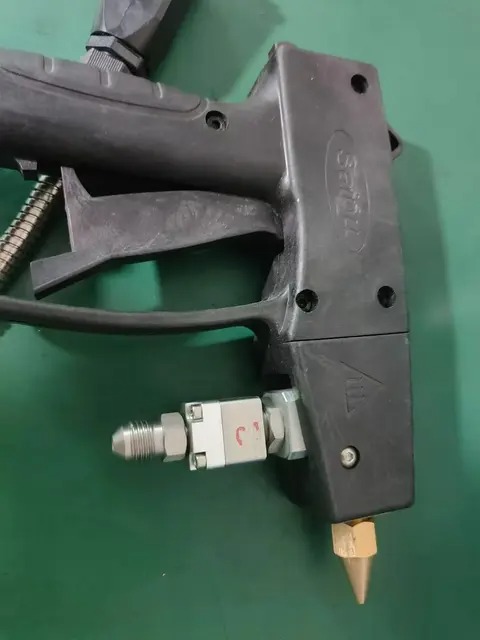
While glue sprayers are designed for even application, it’s still important to avoid overapplying the adhesive. Too much glue can result in excess bonding material, leading to messy results or a weakened bond.
Inconsistent spraying can lead to uneven adhesive application, which can affect the strength and appearance of the bond. Always spray in a smooth, sweeping motion, and avoid lingering too long in one area to ensure uniform coverage.
Failing to ensure proper ventilation when using glue sprayers can lead to inhaling harmful fumes. Always use the sprayer in a well-ventilated space, and wear appropriate protective gear to avoid skin and respiratory irritation.
Mistake | Description |
Overapplying the Glue | Excess glue can lead to mess and weaken the bond. |
Inconsistent Spraying | Uneven spraying affects bond strength and appearance. |
Improper Ventilation | Poor ventilation can cause harmful fumes; wear protective gear. |
Glue sprayers are essential tools that can improve the efficiency, precision, and quality of various projects. Whether used for crafts, upholstery, or construction, the right glue sprayer ensures strong and consistent bonds. Dongguan Saipu Electromechanical Device Co., Ltd. offers high-quality sprayers that enhance workflow and deliver exceptional results. By understanding the different types of adhesives and their applications, you can make informed decisions and streamline your processes.
A: Glue sprayers are devices that apply adhesive in a fine mist. They work by using pressurized containers to evenly distribute glue across various surfaces, ensuring a uniform bond.
A: Glue sprayers are ideal for projects like crafts, upholstery, construction repairs, and automotive work, offering quick and precise adhesive application.
A: There are temporary and permanent glue sprayers. Temporary sprayers allow repositioning, while permanent ones offer strong, lasting bonds.
A: Glue sprayers provide more precision, coverage, and speed than brushes or rollers, making them suitable for large or intricate projects.
A: Glue sprayers offer improved precision, time efficiency, and versatility, making them a valuable tool for a wide range of tasks, from crafts to construction.
A: Avoid overapplying glue, ensure consistent spraying, and use proper ventilation to achieve the best results and avoid accidents.


