
close
Choose Your Site
Global
Social Media
Views: 77 Author: Site Editor Publish Time: 2026-04-21 Origin: Site


Selecting the right hot melt glue machine for packaging is a production decision, not just an equipment purchase. In packaging lines, adhesive application affects sealing quality, carton strength, production speed, waste control, and downtime. A poorly matched hot melt glue machine for packaging can create unstable glue output, weak bonding, messy application, and maintenance problems that slow the entire line.
The best hot melt glue machine for packaging depends on what the line is actually doing. Some factories need fast carton sealing with stable output over long shifts. Others need flexible application for paper bags, folded boxes, labels, trays, or specialty packaging materials. That is why choosing a hot melt glue machine for packaging requires a close look at throughput, substrate type, adhesive type, operator workflow, and maintenance expectations.
● A hot melt glue machine for packagingshould be selected based on speed, bonding consistency, adhesive compatibility, and maintenance control.
● The best hot melt glue machine for packaging is not always the largest system, but the one that matches line output and packaging style.
● Stable temperature control and consistent glue flow matter more than tank size alone in a hot melt glue machine for packaging.
● Different packaging lines may require semi-automatic, PLC-controlled, or higher-capacity hot melt glue machine for packaging setups.
● A poorly chosen hot melt glue machine for packaging often leads to waste, stoppage, and unstable sealing quality.
A hot melt glue machine for packaging must keep pace with the speed of the packaging line. In carton sealing, tray forming, paper product assembly, and related processes, the machine must melt adhesive quickly and supply glue without delay. If the response is too slow, the line loses rhythm and bonding quality becomes inconsistent.
High-throughput packaging environments also place pressure on heat recovery and glue replenishment. A hot melt glue machine for packaging that cannot maintain stable output during repetitive cycles may perform well at startup but struggle during longer production runs. That is why throughput should be evaluated as a continuous operating condition rather than a short-term test.
Factories running multiple shifts usually need a hot melt glue machine for packaging with predictable output under changing workloads. Fast startup is useful, but stable operation during extended use is often more important than warm-up speed alone.
Packaging lines depend on repeatable sealing strength. A hot melt glue machine for packaging should deliver the same bonding quality across cartons, paperboard, corrugated material, or coated substrates without excessive variation from cycle to cycle. When bonding strength changes, packaging appearance and product protection both suffer.
Consistency is closely linked to temperature stability, flow control, and adhesive compatibility. A hot melt glue machine for packaging that applies too much or too little glue can create waste, weak closure points, or messy edges. These problems often appear small at first, but they quickly affect line efficiency and finished package quality.
In practical production, consistent bonding is not only about glue formulation. A hot melt glue machine for packaging must maintain reliable heating, even pressure, and controlled application through the tank, hose, and applicator system.
Maintenance requirements should be part of any decision involving a hot melt glue machine for packaging. Equipment that demands frequent cleaning, unstable parts replacement, or repeated adjustment can create more cost than expected, even if the purchase price looks attractive at the beginning. Downtime on packaging lines can spread quickly from one station to the rest of the process.
A packaging plant usually prefers a hot melt glue machine for packaging that is easy to inspect, clean, refill, and restart. If daily maintenance is complicated, operators may delay cleaning or use temporary fixes, which usually lead to nozzle blockage, inconsistent flow, or adhesive degradation later.
Low-maintenance operation does not mean zero maintenance. It means the hot melt glue machine for packaging is designed for routine use with practical service access, stable heating, and a predictable cleaning schedule.
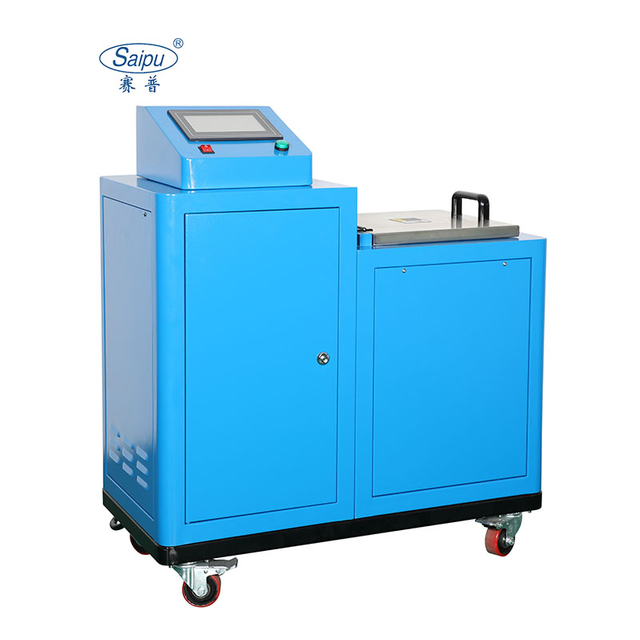
A semi-automatic hot melt glue machine for packaging is often suitable for operations that need flexibility more than full automation. Smaller lines, hand-fed packaging steps, specialty paper bags, and short-run production may not require a large centralized system. In those settings, a semi-automatic unit can provide enough control without excessive complexity.
This type of hot melt glue machine for packaging is often selected when production volume is moderate and application points vary from job to job. It can work well where operators need to adjust application patterns, work with changing package formats, or manage different small-batch packaging tasks.
The main advantage here is operational flexibility. A semi-automatic hot melt glue machine for packaging can fit workshops where adaptability matters more than the highest line speed.
A PLC-controlled hot melt glue machine for packaging is usually more suitable for medium-speed packaging lines that need stable process settings and repeatable output. In these systems, better control of temperature and operating parameters can improve consistency during longer production runs. That level of control becomes more important as the packaging line becomes more standardized and output targets increase.
For many factories, a PLC-controlled hot melt glue machine for packaging provides a practical balance between manual flexibility and higher automation. It supports more stable glue application while still allowing process adjustment when materials, carton sizes, or packaging formats change.
This type of system is especially relevant where the line needs controlled performance but does not yet require a highly centralized adhesive infrastructure. A PLC-controlled hot melt glue machine for packaging is often a strong match for growing packaging operations.
A higher-capacity hot melt glue machine for packaging is generally chosen when the workload is heavier, the line runs longer, or the packaging process consumes more adhesive per shift. Large-scale carton sealing, mattress packaging, heavier assemblies, or high-output industrial packaging lines often benefit from a larger tank and stronger melt capacity.
Capacity alone is not enough, however. A large hot melt glue machine for packaging must also maintain even heating and stable flow as adhesive volume changes during operation. If the tank is large but the heat recovery is weak, the system may still struggle under sustained production.
Heavy-duty packaging lines usually need a hot melt glue machine for packaging that combines capacity with temperature stability, consistent pumping, and reliable long-shift performance. The correct system should match both adhesive demand and production rhythm.
Tank size is one of the first things buyers notice when comparing a hot melt glue machine for packaging, but it should never be treated as the only deciding factor. A larger tank may reduce refill frequency, yet poor heating stability can still create inconsistent adhesive behavior. The real question is whether the system can melt and hold adhesive evenly during actual production.
A hot melt glue machine for packaging should maintain steady temperature without overheating the adhesive or allowing cold zones to develop. Uneven heating can lead to poor flow, unstable bonding, stringing, or residue buildup. These problems often begin inside the system before they become visible on the package.
The right tank capacity depends on how much adhesive the line consumes, how often replenishment happens, and whether the hot melt glue machine for packaging can recover temperature fast enough after refill or heavy usage.
Glue flow consistency is one of the most important measures of a hot melt glue machine for packaging. Even if temperature is correct, a poor pumping or delivery system can still create pulsation, over-application, or insufficient bonding. In packaging lines, this usually appears as inconsistent sealing or visible variation from package to package.
When evaluating a hot melt glue machine for packaging, it is important to consider how the machine handles repeated cycles, changing line speeds, and extended operating hours. The delivery system should keep glue flow stable without frequent manual correction.
The choice here should focus on control and repeatability. A hot melt glue machine for packaging that delivers smooth and predictable glue output is far more valuable than one that only performs well in short tests.
No hot melt glue machine for packaging performs well if the adhesive and substrate combination is ignored. Cartons, corrugated board, coated paper, laminated surfaces, paper bags, and specialty packaging materials can behave very differently during bonding. A machine that works well with one adhesive grade may not be equally effective with another.
The same principle applies to adhesive type. A hot melt glue machine for packaging should be evaluated for the actual glue used in production, including viscosity range, working temperature, and application method. Compatibility problems often look like machine problems even when the main issue is adhesive mismatch.
For that reason, the best hot melt glue machine for packaging is not selected in isolation. It is selected together with adhesive choice, package style, substrate behavior, and operating temperature.
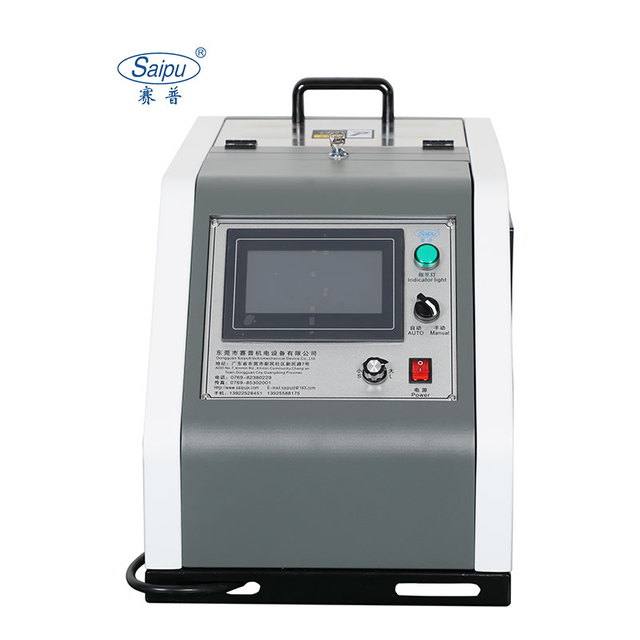
When comparing options, a hot melt glue machine for packaging should be matched to production reality rather than catalog description alone. The table below organizes the core decision points by what packaging lines usually need.
Evaluation Factor | What to Check in a Hot Melt Glue Machine for Packaging | Why It Affects Line Performance |
Tank Capacity | Whether capacity matches adhesive consumption per shift | Reduces refill interruption and melt instability |
Heating Stability | Even temperature across tank, hose, and applicator | Prevents weak bonding and glue degradation |
Glue Flow Control | Stable output under repeated cycles | Improves sealing consistency |
Adhesive Compatibility | Match with EVA, PO, or other working adhesive grades | Avoids bonding and application issues |
Maintenance Access | Ease of cleaning, refilling, and inspection | Reduces downtime and operator difficulty |
Safety Design | Heat protection and controlled operation | Improves operating stability |
A hot melt glue machine for packaging should be judged as a system rather than as a single spec sheet item. Buyers often focus too quickly on capacity or price, while long-term performance depends on how these factors work together.
One of the most common purchasing mistakes is selecting a hot melt glue machine for packaging only by initial price. A lower-cost machine may appear attractive, but unstable temperature, inconsistent output, and difficult maintenance can create more expense later through downtime and waste. Purchase price is only one part of the total decision.
A packaging line needs a hot melt glue machine for packaging that performs reliably in real production conditions. If the equipment creates frequent stoppage or inconsistent sealing, the cost difference is quickly absorbed by lost efficiency.
Price should always be weighed against stability, service life, and ease of operation. The cheapest hot melt glue machine for packaging is not always the most economical choice over time.
Another major mistake is assuming that one hot melt glue machine for packaging works equally well across all packaging materials and adhesive grades. In reality, different substrates and glue types require different process conditions. A machine that looks technically suitable may still produce weak or messy bonding if compatibility is not checked early.
This issue often becomes visible only after installation, when operators begin adjusting temperature or pressure repeatedly to compensate. At that stage, the hot melt glue machine for packaging may be blamed even though the mismatch began in system selection.
Compatibility should be reviewed before purchase, not after startup. That is one of the most reliable ways to avoid unstable packaging performance.
A hot melt glue machine for packaging should fit not only the current line but also the expected operating model. If the factory plans to increase automation, expand output, or reduce manual intervention, the machine should be chosen with that direction in mind. Buying a system that cannot scale usually leads to early replacement or process limitation.
Maintenance is part of the same decision. A hot melt glue machine for packaging with difficult access, frequent blockage, or awkward cleaning points creates a long-term operational burden. Packaging lines perform best when the machine matches both production targets and maintenance capacity.
A useful way to evaluate a hot melt glue machine for packaging is to match the machine style to the actual packaging workload. Different production settings often require different system priorities.
Packaging Need | Recommended Hot Melt Glue Machine for Packaging Focus |
Small-batch paper bag or flexible jobs | Semi-automatic flexibility |
Medium-speed carton or box sealing | PLC-controlled stability |
Long-shift industrial packaging | Higher-capacity tank and flow consistency |
Varied packaging materials | Broad adhesive compatibility |
Future automation plans | System expandability and control readiness |
This comparison makes one point very clear: the best hot melt glue machine for packaging depends on operating conditions, not on one universal machine category.
The best hot melt glue machine for packaging is the one that matches packaging speed, adhesive type, substrate condition, maintenance routine, and process stability requirements in the same system. Tank size matters, but heating stability matters more. Automation features matter, but only when they align with the real structure of the packaging line. A practical selection process should focus on output consistency, adhesive compatibility, maintenance access, and long-shift reliability together.
For factories comparing machine options for carton sealing, paper bag gluing, box bonding, or broader packaging applications, Dongguan Saipu Electromechanical Device Co., Ltd. is directly connected to this field through its hot melt equipment range and packaging-oriented application background.
The best hot melt glue machine for packaging depends on packaging speed, adhesive type, material type, and production volume. A smaller flexible line may need a semi-automatic setup, while a medium or high-output line may need a more stable controlled system.
Tank size should be based on adhesive consumption, refill frequency, and shift length. A hot melt glue machine for packaging with the correct tank capacity should maintain stable temperature while reducing unnecessary refill interruption.
A PLC-controlled hot melt glue machine for packaging is often worth considering when the line needs more stable settings, repeatable operation, and better process control. It is especially suitable for standardized packaging runs with medium-speed or continuous production.


