
close
Choose Your Site
Global
Social Media
Views: 0 Author: Site Editor Publish Time: 2026-10-28 Origin: Site


In today's hyper-competitive logistics landscape, packaging speed dictates your bottom line. I have spent years on factory floors watching traditional tape and cold glue methods choke production lines. Extended drying times and inconsistent application simply kill throughput. Worse still, these outdated techniques fail under extreme transit temperatures. The result? Busted shipments and angry clients. How do we fix this? Smart facilities are upgrading to advanced thermal adhesive technology. Let us explore how integrating a Semi-Automatic Hot Melt Glue Machine optimizes carton sealing, delivering unmatched durability and operational efficiency.
Efficiency Boost: Implementing thermal adhesive systems accelerates carton sealing and box forming processes exponentially when compared to conventional packaging tape. The nearly instantaneous curing time eliminates conveyor bottlenecks.
Stronger Bonds: Thermoplastic adhesives deliver superior structural integrity by deeply penetrating corrugated fibers. This ensures cartons remain securely sealed during rigorous transit conditions and severe environmental temperature fluctuations.
Versatile Applications: Modern dispensing equipment is highly adaptable. From securing heavy-duty corrugated shipping boxes to executing delicate tasks like hand paper bag gluing, a quality unit adjusts to diverse packaging requirements.
Smart Investment: Selecting the appropriate system yields a measurable return on investment. By systematically reducing manual labor costs and minimizing raw adhesive waste, businesses quickly offset their initial capital expenditure.
Before diving into the mechanics, we need to look at where the packaging sector is heading. Recent market data shows a massive pivot toward solvent-free thermoplastic adhesives. Why? Tightening environmental regulations and the explosive growth of global e-commerce demand it. Facilities can no longer afford the downtime associated with water-based glues. Furthermore, the push for sustainable, tamper-evident packaging has made thermal adhesives the default standard for high-volume fulfillment centers. Automation is no longer a luxury; it is a survival requirement.
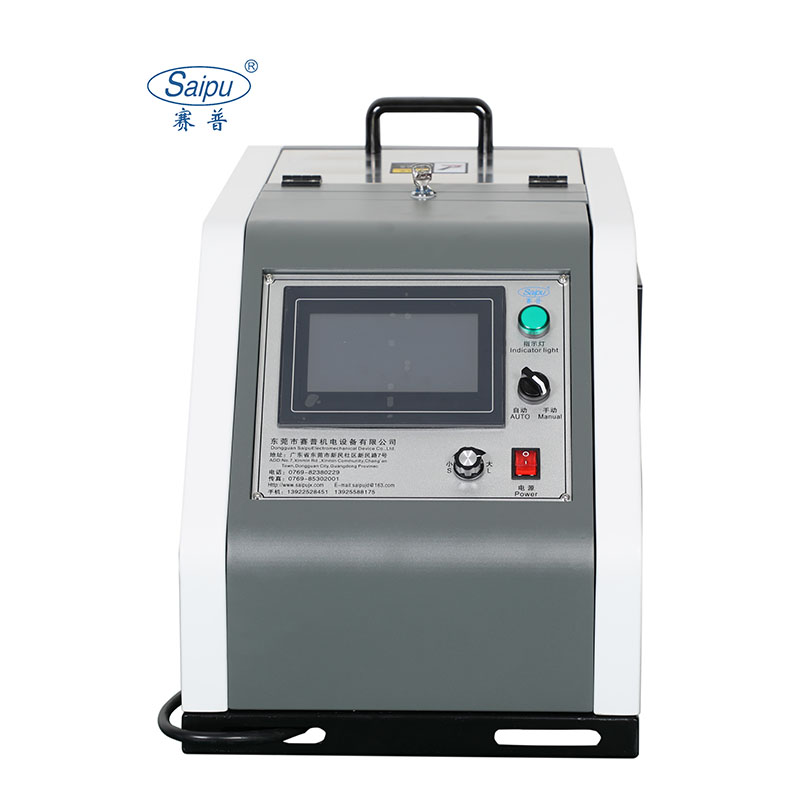
At its core, this equipment is an electromechanical powerhouse. It melts solid thermoplastic adhesives and dispenses them with absolute precision. Instead of relying on water-based solvents that take forever to evaporate, these systems use controlled heat. The solid adhesive transitions into a workable liquid. Once liquefied, a pump pushes it through a heated pathway right onto your packaging material. The moment it hits the cooler corrugated board, it solidifies. The bond is instantaneous and practically unbreakable.
Understanding the anatomy of this equipment is critical for optimal operation and routine maintenance. The entire dispensing process relies on several interconnected components working in perfect harmony.
Component | Primary Function | Technical Importance |
|---|---|---|
Melting Tank | Heats and securely stores the solid adhesive until it reaches an optimal liquid state. | Tanks vary in size to match production volume. High-grade aluminum construction provides even heat distribution, which is vital to prevent adhesive charring. |
Pump System | Transfers the liquid adhesive from the reservoir into the delivery network. | Pneumatic piston pumps handle intermittent dispensing perfectly, whereas motor-driven gear pumps excel at continuous extrusion. |
Heated Hoses | Act as the thermal bridge, transporting molten glue from the pump to the applicator. | Must maintain a strictly consistent temperature profile to prevent the adhesive from prematurely cooling and clogging the internal pathway. |
Applicator Gun | Dispenses the adhesive onto the carton surface in highly precise patterns. | Available in automatic or manual configurations. Specialized nozzles determine the exact spray pattern, whether that involves micro-dots or thick beads. |
The operational flow requires strict thermal stability. First, you load solid adhesive pellets into the melting reservoir. For example, a standard 10KG capacity tank is perfect for medium-scale operations. It holds enough volume to keep the line moving without cooking the glue. Internal heating elements raise the temperature to the exact melting point.
Once the optimal viscosity hits, the pump takes over. Will you use a gear pump or a piston pump? For intermittent tasks like hand paper bag gluing, a pneumatic piston pump delivers excellent control. The liquid travels through heated hoses to the applicator gun. Because the glue cures via rapid heat loss, it sets within seconds of flap compression.
Transitioning away from tape offers hard, empirical benefits. Let us break down exactly what you gain on the production floor.
Thermal adhesives operate on a fundamentally different mechanical level than standard packaging tape. When applied in a molten state, the liquid physically penetrates the microscopic porous fibers of the corrugated cardboard. As it cools, it interlocks with these fibers. This creates a tamper-evident seal. If a package is forced open during transit, the cardboard itself will tear. We call this fiber tear on the factory floor. It immediately signals pilferage. Additionally, specialized formulations withstand extreme cold for frozen food logistics or high heat for summer freight.
Speed is the ultimate metric on the factory floor. Cold glues demand extended compression sections on a conveyor belt to hold the carton closed while the water evaporates. In stark contrast, integrating an efficient hot melt glue machine with a 10KG tank slashes this waiting period. The curing process typically takes only one to three seconds. Consequently, sealing lines operate at maximum mechanical speeds.
From an environmental standpoint, these adhesives are solid thermoplastics containing zero volatile organic compounds. This makes them significantly safer for facility workers. Economically, the precision of mechanized dispensing means adhesive is applied exactly where needed. By programming specific stitch patterns rather than continuous heavy lines, facilities routinely reduce their overall adhesive consumption by up to fifty percent.
The beauty of this equipment lies in its adaptability. You can integrate it into almost every stage of the packaging lifecycle.
Picture an automated box erector snapping flat corrugated boards into perfect square angles. Before a product can even be inserted, the carton base must be rigidly constructed. The machine applies rapid-setting adhesive to the minor flaps just milliseconds before mechanical arms fold the major flaps over. The instant bond holds the base perfectly square.
The most ubiquitous application occurs at the end-of-line packaging stage. Once the carton is filled, automated sealing machines utilize applicator heads to shoot precise beads of glue onto the top flaps. As the flaps are compressed, it creates a secure, flat profile. This flat top is ideal for stacking heavy shipping pallets.
Beyond standard brown boxes, these systems are highly adaptable for intricate specialty tasks. Operators frequently use them for mattress application assembly or attaching protective foam inserts inside electronics packaging. Furthermore, with minor applicator adjustments, the equipment excels in delicate operations such as hand paper bag gluing. Precise temperature and pressure controls ensure thinner paper substrates are securely bonded without burning.
Do not just buy the biggest unit available. You need to match the machine to your actual throughput. Investing in industrial packaging equipment requires a methodical evaluation of facility needs.
Tank size dictates your refill intervals. A massive tank on a slow line leads to degraded, charred glue. A tiny tank on a fast line causes frustrating stops. For most mid-sized continuous operations, a 10KG tank hits the sweet spot. It provides enough volume for long shifts while maintaining rapid heat-up times.
If you are running varied box sizes, fully automated lines might be overkill. A semi-automatic setup is often the smartest investment. The operator folds the carton, and the machine handles the precise glue extrusion via a foot pedal or hand gun. This setup is highly effective for diverse runs. When selecting your industrial hot melt glue machine, always factor in your daily production volume.
Piston pumps use compressed air. They are durable, cost-effective, and ideal for intermittent dot patterns. Gear pumps use electric motors for continuous, high-speed beads. Choose based on your primary application. For hand paper bag gluing, a piston pump offers the snappy response required.
Treat these units as precision instruments. Install-and-forget is a recipe for disaster. To ensure financial benefits over the long term, implementing a rigorous maintenance protocol is non-negotiable.
Charring is your biggest enemy. It happens when glue sits at high temps for too long, turning into hard carbon particles. These particles migrate and clog your nozzles. To prevent this, visually inspect the tank daily. Keep it adequately filled. Wipe down the applicator guns while they are still warm. Weekly, maintenance personnel must check the inline filters and tank screens.
Even well-maintained systems have hiccups. Swift identification keeps the line moving.
Stringing or Angel Hair: When fine strands of adhesive trail from the nozzle, your temperature is likely too low. The viscosity is too high. Bump up the tank and hose temps slightly.
Uneven Glue Lines: If the adhesive bead is sputtering, you probably have a partial nozzle clog or trapped air. Purge the system.
Temperature Drops: If the control panel indicates a failure to maintain heat, grab a multimeter. Check the thermal sensor or heating element for continuity.
Look beyond the initial price tag. The true value lies in sustained operational efficiency. Upgrading to a reliable hot melt adhesive dispensing equipment directly impacts your bottom line.
Tape requires full-length strips. Cold glue often results in messy over-application. With precision nozzles, you apply exactly what is needed. By programming stitch patterns—alternating dots and gaps—facilities routinely cut adhesive costs significantly.
Manual taping is slow and causes repetitive strain injuries. A well-calibrated semi-automatic system allows one operator to match the output of multiple manual packers. You can reallocate that saved labor to quality control or logistics planning.
Older sealing equipment suffers from significant thermal loss. Modern units feature advanced thermal insulation and intelligent standby modes. When the packaging line pauses, the machine lowers the tank temperature. This prevents charring while reducing power consumption.
Thermal adhesive technology has rewritten the rules of the packaging industry. By ditching outdated sealing methods, you gain production speed, stronger bonds, and serious cost savings. Whether you are sealing heavy freight or handling precision paper bag gluing, the right equipment makes all the difference.
Stop letting inefficient packaging choke your logistics. Evaluate your current setup today. For high-quality, durable solutions tailored to your production line, visit Saipu Machine. Explore our range of specialized equipment, including 10KG tank semi-automatic models, and take the first step toward packaging excellence.
For small to medium operations, a semi-automatic model is typically the most practical choice. A system equipped with a moderate tank capacity, such as a 10KG unit, provides sufficient adhesive volume to sustain continuous shifts without constant refilling. Semi-automatic models reduce manual labor while allowing operators to maintain strict control over the alignment process.
The heating time depends largely on tank capacity and the wattage of heating elements. On average, standard industrial units take between thirty to forty-five minutes to reach the optimal melting temperature. Advanced models feature programmable timers, allowing the machine to power on before the production shift officially starts.
Yes, exceptional versatility is a primary advantage. The equipment easily transitions between heavy-duty corrugated carton sealing and delicate hand paper bag gluing. You simply adjust the pneumatic pressure, modify the temperature settings, and swap the applicator nozzles.
In commercial settings, thermal adhesive is vastly superior to packaging tape. The hot liquid penetrates the porous fibers of the cardboard, creating a permanent bond. Furthermore, thermal adhesives perform significantly better in extreme temperatures and high-humidity environments where tape tends to fail.
Ambient temperature plays a critical role in curing time. In extremely cold environments, the glue may cool too rapidly upon leaving the nozzle, causing cold cracks. In very hot environments, the glue may retain its liquid state for too long. Facilities should adjust their tank and hose temperatures to compensate for these variables.
Safety is paramount when processing hot materials. A high-quality machine should include insulated exterior panels, heat-resistant hosing, and over-temperature protection sensors. These sensors automatically shut down the heating elements if a thermal runaway is detected.
Industry best practices recommend a basic daily wipe-down of external nozzles and a visual inspection of the tank interior. A more thorough system flush should be conducted every three to six months, depending on operating hours and adhesive type.
With proper maintenance and strict adherence to operational guidelines, a high-quality industrial unit can reliably operate for ten to fifteen years. Investing in a machine constructed with durable materials, like Teflon-coated tanks and stainless steel manifolds, further extends its operational lifespan.
EVA is the standard, cost-effective choice for general carton sealing, offering fast set times and good flexibility. PUR reacts with moisture in the air to form an incredibly strong, cross-linked thermoset bond. PUR is generally reserved for highly demanding applications requiring extreme temperature or chemical resistance, though it requires specialized dispensing equipment.
Absolutely. You can control the glue bead thickness by adjusting the pneumatic pump pressure, changing the nozzle tip size, or modifying the speed at which you move the applicator gun. Fine-tuning these three variables allows you to lay down anything from a micro-dot for paper bags to a thick, heavy bead for triple-wall corrugated boxes.


