
close
Choose Your Site
Global
Social Media
Views: 0 Author: Site Editor Publish Time: 2025-11-06 Origin: Site


Hot melt glue machines are an essential tool in modern manufacturing, providing fast, efficient, and reliable bonding solutions across multiple industries. Unlike traditional adhesives, hot melt glue is applied in a molten state and solidifies quickly, creating strong bonds without the need for solvents. This property makes hot melt glue machines highly versatile and suitable for a wide range of applications, from furniture assembly to packaging, automotive interiors, textiles, electronics, and more.
The growing demand for automated production lines and high-speed bonding processes has made hot melt glue machines increasingly critical for businesses seeking efficiency, precision, and sustainability. Their ability to handle diverse materials, such as wood, paper, plastics, fabrics, and metal, allows manufacturers to streamline operations while maintaining product quality. Additionally, hot melt adhesives are generally solvent-free, reducing environmental impact and workplace hazards, which aligns with the global shift toward greener manufacturing practices.
In this article, we explore the key applications of hot melt glue machines, their advantages, and insights for selecting the right machine for your industry. We also provide detailed information on their technical characteristics, operational benefits, and the reasons why these machines have become indispensable across multiple industrial sectors.
Furniture production is one of the most common industries where hot melt glue machines are applied. These machines streamline processes such as edge banding, panel lamination, and component assembly, providing strong and durable bonds while reducing labor costs. With growing demands for higher production volumes and shorter lead times, furniture manufacturers increasingly rely on hot melt glue machines to maintain quality standards without slowing down production.
Edge Banding: Hot melt glue machines ensure a smooth and uniform adhesive application along the edges of wooden or composite panels. This not only improves aesthetic appeal but also increases the durability of furniture edges.
Panel Lamination: Multi-layer panels, veneers, and laminates can be bonded efficiently, allowing for faster assembly while preventing warping, bubbling, or misalignment.
Component Assembly: Components such as cabinet panels, drawer bottoms, and frame elements can be bonded with precision, ensuring long-term structural integrity and stability.
Fast adhesive curing reduces production time and improves output capacity.
Consistent glue application ensures uniformity and quality across batches.
Reduces material waste compared to manual glue application.
Machines can adapt to a variety of panel sizes and materials, providing flexibility for both standard and custom furniture production.
Table 1: Hot Melt Glue Machine Applications in Furniture Industry
Application | Machine Type | Key Benefits | Typical Glue Type |
Edge Banding | EVA / PUR Hot Melt Glue Machine | Smooth edges, fast curing | EVA, PUR |
Panel Lamination | Continuous Hot Melt System | Strong panel adhesion, high speed | PUR |
Component Assembly | Automatic Glue Machine | Accurate glue placement, reduced waste | EVA, PUR |
Packaging is another industry where hot melt glue machines provide tremendous value. They are widely used for sealing cartons, assembling boxes, and bonding paper, cardboard, or plastic materials efficiently. Modern packaging requires not only speed but also precision to ensure that products remain secure during transit, and hot melt glue machines meet these requirements effectively.
Carton Sealing: High-speed sealing for corrugated boxes ensures structural integrity during transport and storage.
Paper & Bag Adhesion: Uniform adhesive application on paper bags, envelopes, and other packaging materials improves durability and visual quality.
Custom Packaging Solutions: Machines can be adjusted to meet the specific needs of unique packaging designs, including variable box sizes and materials.
Improves production efficiency with continuous adhesive application.
Minimizes glue consumption and reduces waste, lowering operational costs.
Provides strong bonds suitable for heavy-duty or high-volume packaging.
Can handle a wide range of materials, including recyclable and biodegradable substrates, supporting sustainability initiatives.
Table 2: Hot Melt Glue Machine Applications in Packaging Industry
Application | Machine Type | Key Benefits | Typical Glue Type |
Carton Sealing | EVA / PUR Hot Melt Glue Machine | Fast sealing, durable bond | EVA, PUR |
Paper Bag Bonding | Manual or Automatic Glue Gun | High precision, uniform application | EVA |
Customized Packaging | Continuous Hot Melt System | Tailored solutions for specialized packaging | PUR |
In the automotive sector, hot melt glue machines are used for interior assembly, bonding seats, dashboards, door panels, and other interior components. These applications demand strong, heat-resistant bonds that can withstand mechanical stress, temperature fluctuations, and exposure to moisture or vibrations.
Seat Assembly: Ensures durable adhesion between fabric, foam, and leather components.
Interior Panel Bonding: Provides strong, invisible bonds for dashboards, door trims, and headliners.
Accessory Attachment: Efficiently attaches insulation, trims, and small interior components, improving assembly speed and reducing labor dependency.
High-strength adhesive suitable for vehicle interior durability and safety.
Supports high-speed production and reduces manual labor.
Provides consistent bonding across large production runs, improving overall quality control.
Offers compatibility with a variety of materials including metals, plastics, and composites commonly used in automotive manufacturing.
Table 3: Hot Melt Glue Machine Applications in Automotive Industry
Application | Machine Type | Key Benefits | Typical Glue Type |
Seat Assembly | PUR Hot Melt Glue Machine | Strong, flexible bond | PUR |
Interior Panel Bonding | Continuous Hot Melt System | Heat and vibration resistant | PUR |
Accessories Bonding | Manual Glue Gun | Precise application | EVA, PUR |
The textile and apparel industry leverages hot melt glue machines for fabric lamination, shoe and bag assembly, and other bonding processes where precision and speed are critical. Increasing consumer demand for innovative designs and lightweight yet durable products has driven the adoption of automated adhesive solutions.
Fabric Lamination: Combines multiple layers without stitching, creating a seamless finish.
Footwear Manufacturing: Ensures precise bonding of shoe soles, linings, and decorative components, increasing durability and wear resistance.
Accessory Production: Bags, belts, and other fabric-based accessories benefit from uniform adhesion and improved production efficiency.
Enables high-speed production while maintaining strong bonds.
Reduces labor costs and minimizes manual errors.
Machines can be precisely controlled to apply different amounts of adhesive for different materials and thicknesses.
Heat-sensitive fabrics can be bonded safely without discoloration or material deformation.
Table 4: Hot Melt Glue Machine Applications in Textile & Apparel
Application | Machine Type | Key Benefits | Typical Glue Type |
Fabric Lamination | PUR / EVA Hot Melt Glue Machine | Uniform bonding, fast curing | PUR, EVA |
Footwear Assembly | Manual or Automatic Glue Gun | Precision, durability | PUR |
Accessories Bonding | Continuous Hot Melt System | Consistent adhesion for small parts | EVA, PUR |
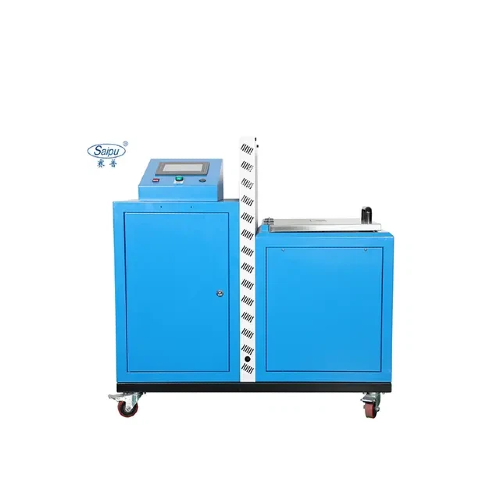
Precision bonding is critical in electronics and filtration systems. Hot melt glue machines provide accurate, controlled adhesive application, which is essential for components that require stability and reliability over long periods.
Component Bonding: Attaches small electronic components securely to boards and assemblies.
Air Filter Assembly: Binds layers of filter media in HVAC systems, automotive filters, and industrial air filters, ensuring airtight and durable construction.
Encapsulation: Provides protective adhesive layers for delicate or sensitive electronic components.
Reduces material waste through precise adhesive application.
Supports high-volume manufacturing with consistent performance.
Compatible with sensitive materials, minimizing risk of heat damage.
Enhances durability and longevity of electronic devices and filtration systems by creating strong, reliable bonds.
Table 5: Hot Melt Glue Machine Applications in Electronics & Filtration
Application | Machine Type | Key Benefits | Typical Glue Type |
Electronic Component Bonding | Precision Hot Melt Machine | Accurate placement, strong adhesion | PUR, EVA |
Air Filter Assembly | Continuous Hot Melt System | Uniform bonding, high efficiency | PUR |
Encapsulation | Manual Glue Gun | Protects sensitive parts | EVA |
Across all applications, hot melt glue machines offer several advantages:
Fast Curing Time: Hot melt adhesives solidify rapidly, reducing production bottlenecks and enabling continuous operation on high-speed lines.
Energy Efficiency: Solvent-free adhesives reduce VOC emissions, contributing to environmentally sustainable production processes.
Precision & Consistency: Automated systems ensure even adhesive distribution across all substrates, reducing defects and maintaining quality standards.
Cost Savings: Reduced glue waste, lower labor requirements, and minimal downtime contribute to lower overall production costs.
Customizable Solutions: Machines can be adapted to specific materials, substrate types, production volumes, and bonding techniques, allowing industries to tailor the equipment to their unique operational needs.
Operational Safety: Modern hot melt glue machines include safety features such as temperature controls, automatic shut-offs, and protective enclosures to prevent workplace accidents.
Hot melt glue machines have transformed industrial bonding processes by offering speed, efficiency, precision, and sustainability. From furniture manufacturing to packaging, automotive interiors, textiles, electronics, and filtration systems, these machines provide unmatched advantages that improve production quality, reduce operational costs, and support environmental responsibility.
Selecting the right hot melt glue machine, such as those offered by reliable manufacturers like Dongguan Saipu Electromechanical Device Co., Ltd., ensures that businesses achieve maximum efficiency, consistent bonding quality, and long-term reliability. With continuous advancements in automation, temperature control, and intelligent adhesive dispensing systems, hot melt glue machines remain a cornerstone of modern manufacturing, helping industries meet growing demand and production complexity without compromising quality or environmental standards.
1. What industries commonly use hot melt glue machines?
Hot melt glue machines are widely applied across furniture, packaging, automotive, textile, electronics, and filtration industries, supporting both small-scale and large-scale production lines.
2. What is the difference between PUR and EVA hot melt glue machines?
PUR (Polyurethane Reactive) adhesives provide stronger, heat- and moisture-resistant bonds suitable for high-durability applications. EVA (Ethylene Vinyl Acetate) offers faster curing and is cost-effective for general bonding tasks.
3. How do I choose the right hot melt glue machine for my production line?
Consider adhesive type, production speed, substrate compatibility, machine automation level, and overall operational requirements to match your specific industry needs.
4. What maintenance is required for hot melt glue machines?
Regular cleaning of glue tanks, nozzles, and heating elements, as well as inspection and lubrication of moving parts, ensures long-term performance and minimizes downtime.
5. Can hot melt glue machines be used for both small-scale and industrial applications?
Yes. Manual or semi-automatic systems serve small-scale production, while fully automated continuous systems meet high-volume industrial production demands efficiently.


