
close
Choose Your Site
Global
Social Media
Views: 0 Author: Site Editor Publish Time: 2025-11-07 Origin: Site


The manufacturing industry has evolved rapidly in recent years, and adhesive technologies play a critical role in ensuring efficient production and high-quality output. Among these, PUR hot melt glue machines have gained significant attention due to their superior bonding strength, fast curing time, and versatility across multiple materials. Unlike traditional adhesives, PUR (Polyurethane Reactive) hot melt glue is applied in a molten state, reacts with moisture, and solidifies into a durable and flexible bond that withstands heat, moisture, and stress.
Choosing the right PUR hot melt glue machine is not merely a matter of purchasing equipment—it directly affects production efficiency, product quality, operational costs, and long-term return on investment. The wrong machine can lead to material waste, slower production speeds, or inconsistent adhesion, which can be costly in industrial settings. This article provides a comprehensive guide on how to choose the right PUR hot melt glue machine, outlining key factors, industry considerations, maintenance tips, advantages, and frequently asked questions.
Selecting the ideal PUR hot melt glue machine involves analyzing multiple technical and operational aspects. Below are the main factors to consider:
One of the first considerations is what materials the machine can bond effectively. PUR adhesives can adhere to a wide range of substrates, including:
Wood and MDF: Ideal for furniture and cabinetry applications.
Paper and cardboard: Essential for packaging and corrugated boxes.
Plastics: Used in automotive and industrial components.
Fabrics and textiles: Suitable for shoes, bags, and laminated materials.
Metals and composites: Often required in electronics and automotive interiors.
Ensuring that the PUR hot melt glue machine is compatible with the specific materials used in your production line is crucial for achieving a strong, durable bond and avoiding production issues.
The output requirements of your manufacturing line directly impact the type of PUR hot melt glue machine you should select. Factors to consider include:
High-volume production: Requires continuous or fully automated machines for consistent adhesive application.
Medium-scale production: Semi-automatic machines may provide sufficient speed and flexibility.
Low-volume or custom applications: Manual or small-scale machines offer precision and cost-effectiveness.
Matching the machine's throughput with your production volume ensures maximum efficiency without bottlenecks or overinvestment in equipment.
Not all PUR adhesives are the same. Different formulations serve specific purposes:
Moisture-curing PUR: Reacts with ambient moisture for strong, flexible bonds.
High-temperature resistant PUR: Suitable for automotive and industrial applications exposed to heat.
Rapid-setting PUR: Reduces production time for fast-paced assembly lines.
Choosing the correct adhesive type ensures that the machine performs optimally for your intended application.
PUR hot melt glue machines come in various configurations:
Manual glue guns: Best for small-scale or detailed applications requiring operator control.
Semi-automatic machines: Allow faster production with partial automation.
Fully automatic machines: Ideal for high-volume production, ensuring consistent application, speed, and precision.
Continuous systems: Suitable for uninterrupted operations on large-scale assembly lines.
Automation level affects labor requirements, consistency, and operational efficiency.
Precision control of adhesive temperature and flow rate is critical in achieving consistent bonding. Modern PUR hot melt glue machines offer:
Adjustable temperature settings to prevent overheating or underheating.
Precise flow rate control for uniform glue application.
Real-time monitoring of machine performance and adhesive status.
Proper control prevents material waste, ensures consistent bond quality, and extends equipment life.
Long-term reliability and ease of maintenance are vital considerations. A high-quality PUR hot melt glue machine should include:
Easily accessible components for cleaning and maintenance.
Durable construction to withstand continuous operation.
Built-in diagnostic systems for troubleshooting and preventive maintenance.
Regular maintenance prolongs machine lifespan and ensures consistent production quality.
While PUR hot melt glue machines may have a higher upfront cost than traditional glue systems, their efficiency and versatility can lead to a faster return on investment. Consider:
Initial equipment price.
Operational costs, including adhesive consumption and energy usage.
Maintenance costs and potential downtime.
Long-term benefits, such as reduced labor and material waste, higher product quality, and increased production speed.
Investing in the right machine ensures that production goals are met efficiently while maintaining profitability.
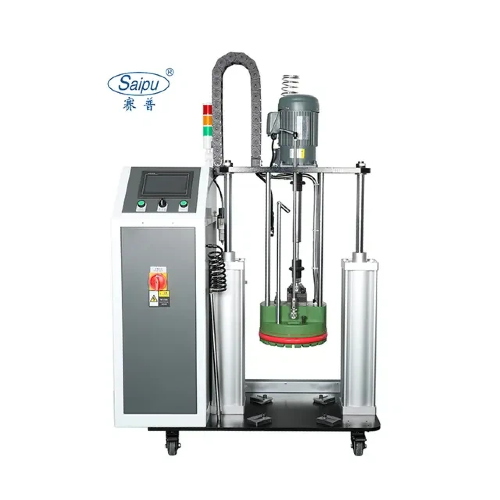
Different industries have unique requirements for PUR hot melt glue machines. Understanding these requirements helps in selecting the most suitable machine.
In furniture production, PUR hot melt glue machines are essential for edge banding, panel lamination, and assembly. Machines must:
Provide consistent, strong adhesion for wood, MDF, and veneers.
Handle various panel thicknesses and materials.
Support high-speed production without compromising bond quality.
For packaging applications, high-strength adhesion and precise glue placement are crucial:
Machines should support high-speed carton sealing, box assembly, and paper bonding.
Ability to adjust glue quantity for different packaging sizes and materials.
Compatibility with recyclable and eco-friendly materials.
Automotive applications demand heat-resistant, durable bonding solutions:
Machines should handle seat assembly, dashboards, and door panel bonding.
Ensure strong, flexible adhesive suitable for vibration and temperature fluctuations.
Support automated production lines for large-scale assembly.
In textiles and footwear, precise, clean bonding is critical:
Machines must bond fabrics, laminates, and shoe components without damaging materials.
Adjustable adhesive flow and temperature control to accommodate different textures.
Fast curing capabilities to match production speed.
Electronics and filtration industries require precision and accuracy:
Machines should bond small components or filter media with high accuracy.
Ensure minimal heat exposure to sensitive materials.
Support continuous or batch production with uniform adhesive distribution.
Choosing the right PUR hot melt glue machine offers significant operational advantages:
Enhanced Production Efficiency: Machines are optimized for specific materials and production volumes, reducing downtime and increasing throughput.
Consistent Bonding Quality: Precise control over temperature, adhesive flow, and application method ensures uniform and reliable bonds.
Reduced Material Waste: Proper selection prevents over-application of adhesive, saving cost and improving sustainability.
Durability and Strength: PUR adhesives provide heat, moisture, and stress-resistant bonds suitable for demanding industrial environments.
Automation and Flexibility: Fully automated systems reduce labor dependency and increase consistency, while adjustable settings accommodate multiple applications.
Operational Safety and Environmental Benefits: Modern machines include safety features and use solvent-free adhesives, aligning with environmental regulations.
Maintaining a PUR hot melt glue machine ensures long-term reliability and optimal performance. Key practices include:
Regular Cleaning: Clean glue tanks, nozzles, and heating elements to prevent clogs and ensure smooth operation.
Temperature Management: Monitor and adjust heating settings to maintain consistent adhesive quality.
Inspection of Mechanical Parts: Lubricate moving components and check for wear to prevent breakdowns.
Troubleshooting: Identify common issues such as uneven glue flow or machine errors and address them promptly.
Preventive Measures: Schedule regular maintenance and component replacements to extend the machine’s lifespan.
Selecting the right PUR hot melt glue machine is essential for maximizing production efficiency, ensuring consistent product quality, and reducing operational costs. By carefully evaluating factors such as material compatibility, production volume, adhesive type, automation level, temperature control, and maintenance requirements, manufacturers can achieve long-term benefits and maintain a competitive edge. Industries ranging from furniture and packaging to automotive, textiles, and electronics rely on these machines to meet high production standards and handle complex bonding tasks.
For businesses looking for reliable and high-performance PUR hot melt glue machines, Dongguan Saipu Electromechanical Device Co., Ltd. offers advanced solutions designed to suit diverse industrial applications. Their machines provide precision, durability, and flexibility, making them suitable for both small-scale and large-scale production lines. Whether upgrading existing equipment or implementing new bonding solutions, Saipu’s team of experts can provide professional guidance and tailored recommendations to ensure optimal results.
To learn more about their range of PUR hot melt glue machines and find the right solution for your production needs, consider reaching out to Dongguan Saipu Electromechanical Device Co., Ltd. directly for consultation and personalized support.
1. What factors should I consider when choosing a PUR hot melt glue machine?
Consider material compatibility, production volume, adhesive type, automation level, temperature and flow control, maintenance requirements, and cost.
2. How is a PUR hot melt glue machine different from an EVA hot melt glue machine?
PUR adhesives form moisture-cured, durable bonds with higher resistance to heat, water, and stress, while EVA adhesives are faster-curing but less resistant to extreme conditions.
3. Which industries benefit most from PUR hot melt glue machines?
Furniture, packaging, automotive interiors, textiles, footwear, electronics, and filtration industries all benefit from PUR hot melt glue machines due to their versatility and strong bonding properties.
4. How do I maintain a PUR hot melt glue machine for long-term use?
Regular cleaning of tanks and nozzles, monitoring temperature and glue flow, lubricating mechanical parts, and preventive maintenance are key to prolonging lifespan.
5. Are PUR hot melt glue machines suitable for both small-scale and industrial production?
Yes. Manual or semi-automatic systems are ideal for small-scale production, while fully automated continuous systems serve high-volume.


