
close
Choose Your Site
Global
Social Media
Views: 0 Author: Site Editor Publish Time: 2026-01-02 Origin: Site


A glue sprayer is a game-changer for efficient adhesive application. It offers speed, precision, and consistent bonding that traditional methods can't match. Whether you’re tackling DIY projects, working in manufacturing, or handling industrial tasks, using a properly set-up glue sprayer ensures smoother results and less waste.
In this article, we'll guide you through the essential steps of setting up your glue sprayer, from choosing the right tools to understanding safety precautions. You'll learn everything you need to optimize your sprayer for the best performance.
A glue sprayer uses air pressure to atomize adhesives into a fine mist, allowing for an even coat over large surfaces. This technology eliminates the need for manual application, reducing human error and improving efficiency. The glue mist creates a thin, uniform layer, making it ideal for delicate surfaces like fabric or foam, as well as for large-scale applications like automotive or furniture manufacturing.
The glue sprayer gun has several essential parts, including the air cap, fluid nozzle, and fluid needle. The air cap atomizes the adhesive, blending it with compressed air to create a fine spray. The fluid nozzle controls the amount of adhesive released, and the fluid needle regulates the flow. These parts work together to ensure an even and controlled adhesive application, which is vital for creating strong, durable bonds.
Glue sprayers are versatile and can be used in many industries, including:
● Manufacturing: Bonding materials like wood, metal, plastic, and foam in product assembly.
● DIY Projects: Perfect for crafts, furniture repairs, and home improvement.
● Automotive Industry: Applying adhesives to parts like upholstery or trim.
● Textile Industry: Spraying adhesives for fabric bonding or quilting.
Choosing the appropriate adhesive type based on the materials you're working with is essential for the best results.
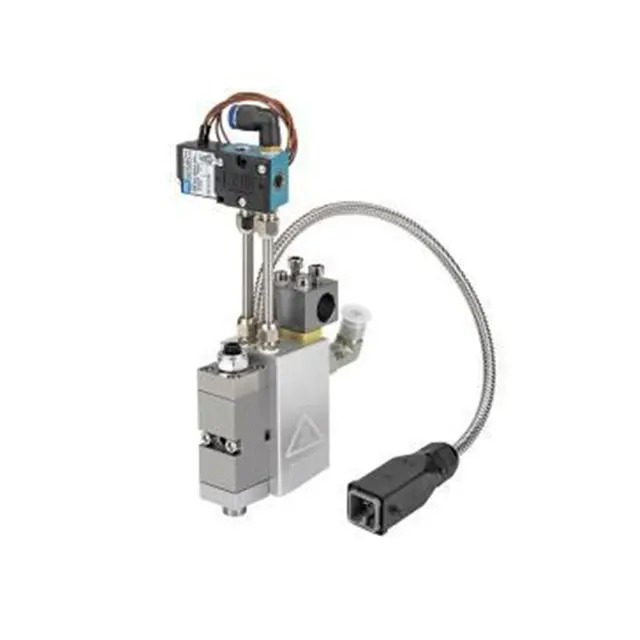
To properly set up your glue sprayer, you'll need the following tools:
● Spanners (22mm and 15mm): To tighten and secure hose connections.
● Respirator and Gloves: For safety, especially in poorly ventilated areas.
● Cleaning Supplies: Acetone or specialized cleaners to maintain the sprayer.
Using the right size spanner prevents damaging the hose or connections. Additionally, keeping your safety gear on hand ensures that you are protected from fumes and potential skin contact with adhesives.
There are two primary types of glue sprayers: manual and pneumatic. Each type has its unique features that make it suitable for different tasks. Manual sprayers require the user to manually pressurize the canister, whereas pneumatic sprayers, powered by compressed air, offer more control and are better suited for large-scale applications. Below is a comparison of both types:
Type of Glue Sprayer | Description | Best For |
Manual Sprayers | Requires manual pressurization of the canister. | Small-scale projects or DIY tasks. |
Pneumatic Sprayers | Powered by compressed air for more control. | Large-scale applications and high-volume work. |
Choosing the right sprayer depends on your project’s scale and adhesive needs. Pneumatic sprayers are ideal for high-volume operations, while manual sprayers are better for smaller tasks.
Choosing the right glue for the job is crucial to ensure a strong, lasting bond. Different adhesives work better with specific materials, and several factors must be considered when selecting the appropriate glue. Below is a comparison of these factors:
Factor | Consideration | Impact on Adhesive Choice |
Viscosity | Thicker glues may clog the sprayer, while thinner ones atomize easily. | Thin glues are easier to spray, but thicker ones may offer stronger bonds for certain materials. |
Bonding Strength | Consider the required durability based on the materials. | Heavy-duty materials require stronger adhesives for a lasting bond. |
Surface Compatibility | Ensure the adhesive is suitable for the material being bonded (e.g., fabric, metal, wood). | Using the wrong adhesive may result in poor bonding or damage to the surface. |
Always check the manufacturer’s recommendations for the best adhesive to use with your sprayer.
First, attach the larger hose nut onto the gun’s thread and tighten it firmly with a 22mm spanner. Next, connect the smaller hose nut to the canister valve, ensuring the connection is tight and secure to avoid any leaks during use.
Insert the spray tip into the tip retaining nut and screw it onto the gun securely. Make sure the tip is positioned upright to ensure the adhesive is evenly sprayed. This alignment is essential to prevent uneven coverage, ensuring a smooth and consistent application.
Slowly open the canister valve counterclockwise until the hose is pressurized. It’s important to check for any leaks at the connections before proceeding. Leaks can cause uneven spraying or loss of pressure, impacting the overall effectiveness of the glue sprayer.
Before beginning the spray process, pull the trigger to release any air from the system. This step ensures that the adhesive starts flowing smoothly and without interruption. If necessary, adjust the gun’s screw to fine-tune the spray pattern for a consistent and controlled application.
Use the adjustment screw on the gun to control the spray’s width and flow. Turn it counterclockwise to increase flow and clockwise to reduce it. This step is crucial for achieving the desired coverage and adhesive distribution.
Step | Action |
Connecting the Hose | Attach and secure hose to gun and canister. |
Attaching the Spray Tip | Insert and secure spray tip upright. |
Pressurizing the Canister | Open valve slowly and check for leaks. |
Purging the Line | Release air to ensure smooth adhesive flow. |
Adjusting the Spray Settings | Adjust the screw for desired spray width. |
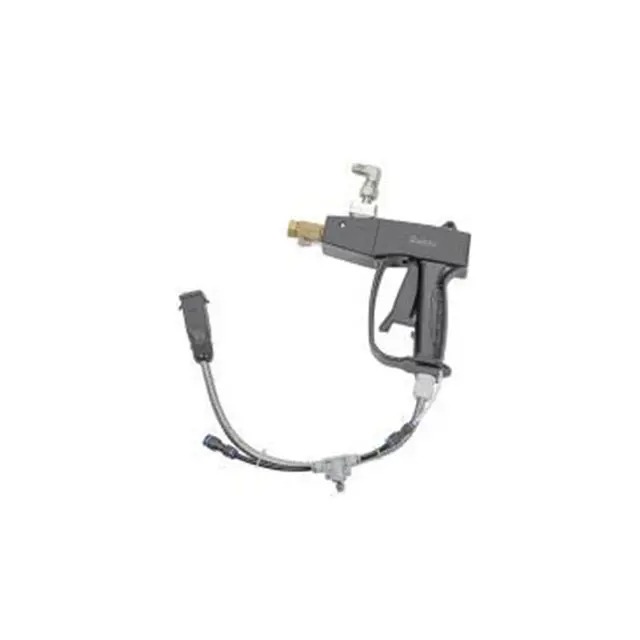
Working with spray adhesives requires proper safety equipment. Always use a respirator to avoid inhaling fumes and wear gloves to protect your skin from adhesive mist. Adequate ventilation is also crucial—make sure you're working in a well-ventilated space to disperse fumes and reduce inhalation risks.
To ensure optimal bonding, clean the surfaces thoroughly before applying the adhesive. Any contaminants, such as dust or oil, can weaken the adhesive bond. In some cases, lightly abrading the surface may improve adhesion, especially on glossy or non-porous materials.
When applying the adhesive, hold the gun at a consistent distance from the surface, usually around 20-40 cm (check the glue can for recommendations). Keep the gun parallel to the surface for even application, and avoid overspray by moving steadily across the material.
To avoid issues like uneven coverage or over-application, keep the nozzle clean and check the spray pattern frequently. Apply thin, even coats and avoid spraying too much glue in one spot to ensure consistent bonding.
Practice | Action |
Ventilation and Protective Gear | Wear a respirator and gloves, ensure ventilation. |
Surface Preparation | Clean and abrade surfaces if necessary. |
Working with the Glue Sprayer | Hold the gun at a consistent distance and keep it parallel. |
Avoiding Common Mistakes | Apply thin, even coats and maintain clean nozzles. |
After each use, clean the gun and tip thoroughly with acetone or a recommended cleaner. This prevents adhesive from drying inside the sprayer and ensures long-term performance.
When storing the sprayer, close the canister valve tightly and release any remaining pressure. If you’re storing the sprayer for an extended period, consider sealing the vent hole to prevent adhesive from drying inside.
● Inconsistent Spray Patterns: This may be caused by a clogged nozzle. Clean the nozzle and check for air leaks in the hose.
● Air Leaks: Tighten all hose connections and inspect the canister valve for leaks.
● Adhesive Buildup: Clean the tip regularly to prevent clogging and ensure a smooth flow of adhesive.
Properly setting up a glue sprayer is essential for efficient and consistent adhesive application. By following the steps in this guide, you'll maximize your sprayer’s effectiveness, improve safety, and achieve optimal results for both small and large-scale projects. Regular maintenance and using the right adhesive ensures long-term performance. Dongguan Saipu Electromechanical Device Co., Ltd. offers reliable glue sprayers that provide consistent, high-quality performance for various applications, adding value through durability and precision.
A: Glue sprayers are tools that use air pressure to atomize adhesives into a fine mist. This allows for even application on surfaces, improving speed and accuracy compared to manual glue application.
A: To set up a glue sprayer, attach the hose to both the gun and the canister, secure the spray tip, and pressurize the system. Always check for leaks and purge the line before use.
A: Glue sprayers offer a faster, more efficient way to apply adhesives. They ensure consistent coverage, reduce waste, and improve bonding strength, making them ideal for large or delicate applications.
A: Consider the type of sprayer (manual or pneumatic), the glue’s viscosity, bonding strength, and surface compatibility to ensure optimal results for your project.
A: If your glue sprayer isn’t working properly, check for clogs in the nozzle, ensure the hose connections are secure, and confirm the adhesive is compatible with your sprayer model.


