
close
Choose Your Site
Global
Social Media
Views: 0 Author: Site Editor Publish Time: 2025-11-20 Origin: Site


Hot melt adhesives are widely used across industrial, commercial, and household applications because of their fast curing, strong adhesion, and versatile properties. A common question among users and manufacturers is: “Does hot melt glue resist water?” Understanding the water resistance of hot melt glue is critical to ensuring long-lasting bonds, particularly for applications exposed to moisture, humidity, or occasional water contact.
The performance of hot melt adhesives depends not only on the chemical composition of the glue but also on the delivery system. A hot melt glue hose plays a crucial role in maintaining consistent adhesive temperature, ensuring smooth flow, and preventing contamination. These factors collectively influence water resistance.
In this article, we explore the factors that determine water resistance in hot melt glue, the influence of the hot melt glue hose, the environments where moisture resistance is crucial, and practical guidance for maximizing performance. This detailed analysis will help manufacturers, technicians, and DIY users make informed decisions for reliable, water-resistant bonding.
A hot melt adhesive (HMA) is a thermoplastic material that melts upon heating and solidifies upon cooling. Unlike solvent-based or chemically curing adhesives, hot melt adhesives bond through a physical change of state rather than a chemical reaction. This property allows them to create fast, reliable, and flexible bonds that can withstand stress, vibration, and moderate environmental conditions.
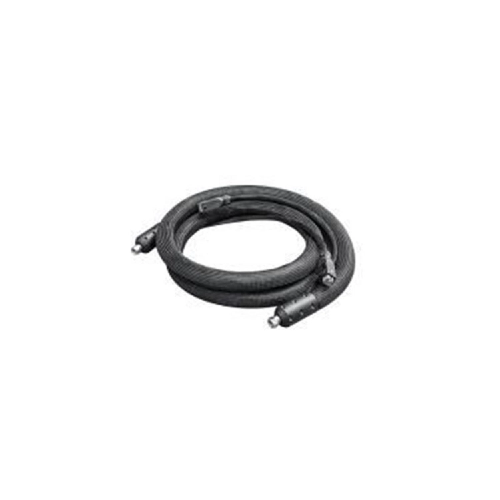
In industrial production or large-scale operations, adhesives are often delivered through a hot melt glue hose, which connects the adhesive reservoir to the application gun. The hose ensures that the adhesive remains at a consistent temperature and viscosity from the reservoir to the nozzle, enabling smooth, controlled application.
The design and material of the hose are critical. A high-quality hose prevents premature cooling, solidification, and contamination. It also reduces the risk of air pockets or moisture infiltration, which could compromise water resistance. Maintaining proper adhesive temperature and flow consistency through the hose is essential for creating a dense, continuous bond that resists moisture penetration.
Hot melt adhesives are thermoplastic, meaning they can be reheated and reused without chemical degradation. This property is advantageous because it allows for precise temperature adjustments during application and helps maintain adhesive integrity. When applied properly through a hot melt glue hose, thermoplastic adhesives form a uniform layer that can provide effective resistance to moisture and environmental humidity.
Several factors influence the water resistance of hot melt adhesives. Understanding these helps in selecting the right adhesive and optimizing application conditions.
The chemical formulation of the adhesive directly determines its resistance to water:
Adhesive Type | Water Resistance | Typical Applications | Notes |
EVA (Ethylene-Vinyl Acetate) | Moderate | Paper, cardboard, lightweight crafts | Suitable for short-term moisture exposure |
PUR (Polyurethane Reactive) | High | Automotive, woodworking, laminates | Excellent moisture and heat resistance |
Polyamide (PA) | Very High | Plastics, metals, high-temperature applications | Exceptional durability in humid environments |
Specialty Formulations | Varies | Foam, textiles, waterproof substrates | Designed for specific water-resistant needs |
The type of surface bonded affects water resistance:
Porous surfaces such as wood, paper, or fabric may absorb moisture, requiring adhesives that penetrate and seal effectively.
Non-porous surfaces such as plastics, metals, or glass rely on surface wetting and proper adhesive application to maintain water resistance.
Surface preparation (cleaning, drying, and degreasing) enhances bond integrity and reduces potential moisture infiltration.
Environmental factors significantly influence water resistance:
Humidity: High humidity during curing can reduce adhesion quality.
Temperature: Extremely cold or hot conditions affect adhesive flow, viscosity, and curing.
Water exposure: Continuous contact with water may challenge adhesives with moderate water resistance; high-performance adhesives like PUR or polyamide are more suitable.
A properly designed hot melt glue hose ensures that the adhesive maintains an optimal temperature and viscosity during transport from the reservoir to the nozzle. A consistent flow and temperature profile help form uniform bond lines that prevent gaps or voids, which could otherwise allow water to penetrate and compromise adhesion.
High-quality hot melt glue hoses are constructed with materials that resist high temperatures, chemical degradation, and moisture ingress. Features often include:
Heat-resistant polymer inner lining to prevent adhesive degradation
Insulation layers to maintain temperature consistency
Flexible design for routing through machinery or production lines
Maintaining a stable temperature is essential:
Temperature fluctuations can cause uneven adhesive melting or inconsistent flow, affecting water resistance.
Insulated hoses maintain uniform temperature from the reservoir to the application gun.
Consistent flow prevents gaps or voids, ensuring water cannot penetrate the bond.
A sealed and well-maintained hose prevents dust, moisture, and air from entering the adhesive stream. Contamination can weaken bonds and reduce water resistance. Proper hose maintenance includes:
Regular cleaning and inspection
Monitoring for cracks, leaks, or wear
Ensuring fittings and connections are tight and sealed
Water-resistant hot melt adhesives are widely used in packaging and sealing:
Cartons and boxes may be exposed to moisture during transport or storage
Labels and wraps require reliable adhesion in humid conditions
In automated production lines, hoses ensure adhesive maintains temperature and flow for consistent water resistance
Adhesives are used to bond components exposed to moisture, condensation, or humidity:
Interior panels, trim, and dashboards
Adhesive coverage through hoses ensures uniform application and prevents weak spots
High-performance adhesives like PUR are preferred for long-lasting water-resistant bonds
Components and wires often require bonding in humid or damp environments
Insulation materials benefit from precise adhesive application through hoses to maintain water resistance
Temperature-stable hoses ensure proper adhesive flow for consistent protection
Laminating surfaces such as flooring, paneling, and composites
Ensures materials remain bonded under moisture exposure
Hoses maintain a uniform flow and temperature, preventing weak spots in the adhesive layer
Rapid setting and fast bonding
Strong adhesion to a wide range of substrates
Flexible bonds resistant to mechanical stress
Moderate to high water resistance depending on adhesive type
Thermoplastic nature allows reheating and precise application
EVA adhesives are not fully waterproof under prolonged water exposure
High-temperature adhesives require careful handling and safety precautions
Water resistance can be compromised if hose flow or temperature is inconsistent
Environmental conditions and substrate preparation affect final performance
PUR adhesives provide the highest water resistance for long-term applications
Polyamide adhesives offer high heat and moisture resistance
EVA adhesives are suitable for temporary or light moisture exposure
Maintain correct temperature and flow through the hose
Apply adhesive evenly in continuous layers to avoid gaps
Minimize air bubbles or voids in the bond line
Dry workspace and controlled humidity improve adhesion
Avoid extreme temperatures during bonding
Preheat substrates when necessary for better adhesive penetration
Clean hoses regularly to prevent blockages or contamination
Inspect hoses for wear, cracks, or leaks that could allow moisture entry
Calibrate temperature and flow settings to ensure consistent adhesive performance
Hot melt glue provides water resistance to varying degrees depending on the adhesive type, application technique, substrate, and environmental conditions. Achieving consistent, durable, and moisture-resistant bonds requires careful attention to each of these factors. A high-quality hot melt glue hose is essential in this process, as it ensures stable temperature, consistent adhesive flow, and prevents contamination—key elements for maintaining reliable water resistance.
Industries such as packaging, automotive, electronics, construction, and other manufacturing sectors increasingly rely on precise adhesive application for long-lasting results. Selecting the right adhesive in combination with a properly designed hot melt glue hose ensures not only strong bonding but also enhanced efficiency and reduced material waste.
For professionals and manufacturers seeking advanced solutions in hot melt adhesive systems, Dongguan Saipu Electromechanical Device Co., Ltd. offers a wide range of high-performance glue machines and hoses. Their expertise in delivering reliable, efficient, and durable bonding solutions makes them a trusted partner. Contact Saipu today to explore their products and discover how their systems can improve water resistance, productivity, and overall adhesive performance for your applications.
Does hot melt glue resist water?
Hot melt glue can resist water depending on the adhesive type. PUR and polyamide adhesives are highly water-resistant, while EVA provides moderate resistance.
Which types of hot melt glue offer the best water resistance?
PUR (Polyurethane Reactive) and polyamide adhesives are most suitable for long-term moisture exposure.
Can a hot melt glue hose affect adhesive performance in wet conditions?
Yes, a properly designed hose maintains temperature, flow consistency, and prevents contamination, directly influencing water resistance.
Is hot melt glue waterproof for prolonged water exposure?
Most hot melt adhesives are water-resistant but not fully waterproof; specialized adhesives like PUR or polyamide are recommended for prolonged immersion.
How can I improve water resistance when using hot melt glue?
Use the correct adhesive, maintain temperature and flow through a high-quality hose, and apply adhesive evenly.
Are all surfaces equally suitable for water-resistant hot melt glue?
No, porous surfaces may require adhesives with higher penetration, while smooth surfaces rely on proper coverage and bonding technique.
What environmental factors affect hot melt glue water resistance?
Humidity, temperature, substrate preparation, and adhesive handling all impact final water resistance.


