
close
Choose Your Site
Global
Social Media
Views: 0 Author: Site Editor Publish Time: 2026-11-24 Origin: Site


If weak adhesive bonds are continuously slowing down your production line, you are certainly not alone. Traditional glues frequently fail under extreme industrial stress. This leads to a frustrating cascade of costly product rejections, wasted raw materials, and delayed shipments. To combat this production bottleneck, modern manufacturers require a substantially stronger and more reliable bonding solution. You need equipment that can actually keep pace with high-speed assembly demands.
In this comprehensive breakdown, we will bypass the marketing fluff and dive straight into the engineering facts. Specifically, we will explore how upgrading to an advanced PUR hot melt glue machine fundamentally transforms manufacturing efficiency. This technology offers unmatched structural integrity and a verifiable return on investment for your facility.
Superior Bond Strength: Polyurethane adhesives utilize advanced moisture-curing technology to form cross-linked chemical bonds. This provides significantly higher tensile strength than the physical bonds created by traditional Ethylene Vinyl Acetate glues.
Extreme Durability: Components assembled using specialized dispensing equipment exhibit measurable resistance to extreme temperature fluctuations, high ambient humidity, and harsh chemical exposure.
Increased Efficiency: Implementing a sealed system accelerates production cycles through rapid initial tack, known as green strength. It also drastically reduces maintenance downtime by minimizing adhesive charring within the melting tank.
Cost-Effectiveness: While the initial equipment expenditure is higher, precise application mechanics reduce adhesive volume requirements. Lower long-term defect rates deliver a strong long-term return on investment.
Versatility Across Industries: These hermetically sealed systems effectively bond diverse and notoriously difficult substrates. They support critical applications in woodworking, automotive assembly, and industrial packaging.
Why does polyurethane hold so much better than standard glue? The secret lies in the underlying chemistry. Traditional hot melt adhesives rely solely on a simple physical phase change. They turn from a heated liquid to a cooled solid. Polyurethane adhesives are entirely different. They undergo a secondary and irreversible chemical reaction known as moisture curing.
When operators extrude the polyurethane prepolymers, the adhesive is immediately exposed to ambient humidity in the air and trace moisture trapped within the substrates. This exposure triggers a rapid chemical cross-linking phase. The reaction forms a dense thermosetting polymer network. Once this cross-linked structure is fully cured, the bond becomes permanent. Consequently, a cured polyurethane adhesive will not remelt upon subsequent exposure to high temperatures. It will also not become brittle and shatter in freezing conditions. It offers a permanent structural hold that legacy thermoplastics simply cannot match.
Because these adhesives react rapidly with ambient moisture, the dispensing equipment must isolate the glue from the surrounding environment at all times. Standard open-tank melters used for traditional applications will cause the glue to cure prematurely inside the reservoir. This renders the adhesive unusable and will destroy the internal gear pumps of the machine.
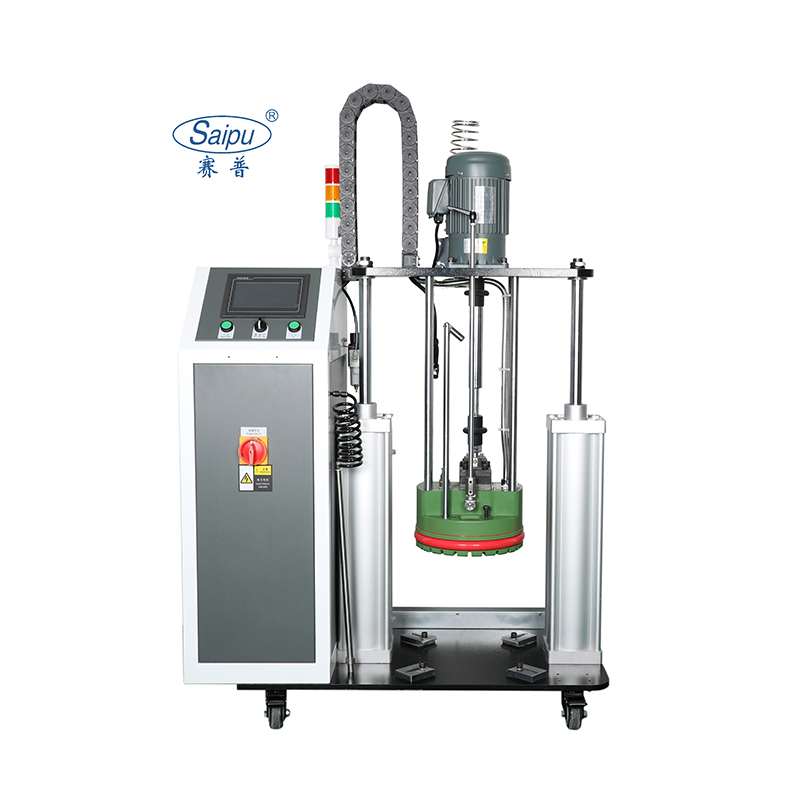
To prevent this catastrophic failure, a specialized 20 KG PUR hot melt adhesive drum unloader utilizes a hermetically sealed melting environment. In these industrial configurations, a heated and Teflon-coated platen is pressed directly into the adhesive container. This precise mechanical action melts only the top layer of the polyurethane block. The remaining solid material below stays completely protected from heat degradation and moisture exposure. Once liquified, the adhesive is forced through a closed network of heated hoses. It is then precisely extruded through pneumatic valves onto the substrate, ensuring zero air contact until the exact moment of application.
Recent industrial engineering analyses highlight a decisive migration away from legacy bonding methods. Evolving global manufacturing standards are driving this massive shift. As environmental regulations tighten around volatile organic compounds, production facilities are rapidly abandoning solvent-based glues. They are shifting investments toward 100 percent solid polyurethane systems to meet strict compliance mandates.
Furthermore, the automotive and aerospace sectors are heavily focused on lightweighting initiatives. Engineers are actively replacing heavy mechanical fasteners like screws and rivets with high-strength adhesives to improve overall fuel efficiency. Polyurethane possesses the unique ability to aggressively bond dissimilar lightweight materials, such as carbon fiber to aluminum panels. This specific capability has positioned specialized dispensing equipment at the absolute forefront of modern industrial assembly lines.
Empirical testing across various manufacturing sectors demonstrates that chemical cross-linking creates a structural bond that significantly outperforms standard hot melts. Traditional thermoplastic adhesives often suffer from creep. Creep is a slow and progressive deformation that occurs when a joint is subjected to constant mechanical stress or heavy weight. The thermosetting nature of polyurethane actively resists this creep. It ensures long-term structural integrity even in severe load-bearing applications. This makes the machinery indispensable for environments where sudden bond failure could result in catastrophic product collapse.
Traditional adhesives operate within distinct and often limiting thermal parameters. For instance, standard glues typically soften and risk severe delamination when ambient temperatures exceed 70 degrees Celsius. Conversely, they become highly brittle in sub-zero environments. Polyurethane adhesives maintain their mechanical properties across a much broader and more forgiving temperature spectrum. They typically remain stable from minus 40 degrees to 150 degrees Celsius.
Beyond unmatched thermal stability, the cured molecular network is highly impervious to water ingress, steam, and a wide array of industrial solvents. This exceptional chemical resistance makes the end products perfectly suited for exterior construction materials, marine applications, and under-the-hood automotive components that face daily environmental abuse.
Advanced dispensing equipment features sophisticated gear pumps and specialized extrusion nozzles that allow for highly calibrated material application. Factory operators can achieve micro-dot dispensing or ultra-thin film coatings that are physically impossible to replicate with high-viscosity traditional glues.
These thinner glue lines drastically reduce the visible seam in applications like cabinetry edge banding. This results in a flawless and premium aesthetic finish. Because the adhesive itself is inherently stronger, applying a thinner coat does not compromise the structural strength of the joint. Rather, it optimizes material usage while elevating the visual appeal of the final product.
To facilitate an objective equipment evaluation, procurement officers must understand the technical distinctions between advanced setups, traditional hot melt machines, and liquid adhesive applications.
The primary operational difference lies in the equipment design required to manage the unique properties of the adhesive. Traditional machines utilize open reservoirs where the adhesive is constantly exposed to ambient air. Operators simply dump solid adhesive pellets into a heated tank. While undeniably simple, this continuous heat and oxygen exposure degrades the glue over time. It leads to heavy charring, carbon buildup, and frustrating nozzle blockages that halt production.
In stark contrast, a high-precision PUR hot melt glue machine requires a closed and airtight architecture. These advanced units often utilize inert gas blankets, such as nitrogen, to displace oxygen and moisture within the melting chamber. While this requires a slightly more complex mechanical setup, it completely prevents adhesive degradation. It ensures consistent flow viscosity and uninterrupted high-volume production runs.
When evaluated against liquid adhesives, sealed systems offer massive environmental and operational advantages. Solvent-based adhesives emit harmful volatile organic compounds. These emissions require expensive ventilation infrastructure and pose serious occupational hazards to floor workers. Polyurethane is a 100 percent solid system that entirely eliminates these toxic emissions.
Additionally, water-based glues require extended drying times and the use of massive mechanical presses to hold substrates together while the water slowly evaporates. Advanced machines dispense a reactive hot melt that sets in mere seconds. This drastically reduces the physical factory footprint required for staging, clamping, and drying.
Feature and Parameter | PUR Hot Melt Machine | Traditional EVA Machine | Water-Based System |
|---|---|---|---|
Melting Environment | Hermetically sealed and Closed | Open tank and Air exposed | Unheated and Open pumping |
Bonding Mechanism | Chemical cross-linking | Physical phase change | Evaporative drying |
Heat Resistance | Up to 150 degrees Celsius | Up to 70 degrees Celsius | Variable and Generally low |
Moisture Resistance | Excellent and Waterproof | Poor to Moderate | Poor as it is prone to re-wetting |
Curing Speed | Seconds for Initial Tack | Seconds for Full solid | Hours to Days |
Toxic Emissions | None | None | High if solvent-based |
Selecting the correct machinery dictates the success of your entire production line. Do not just purchase a generic melter. You must look for specific engineering parameters tailored to reactive adhesives.
For mid-to-high volume manufacturing, a 20 KG drum unloader is often the operational sweet spot. It perfectly balances a continuous adhesive supply with manageable changeover times. When evaluating machines, ensure the system features a Teflon-coated heating platen. This critical coating prevents the adhesive from sticking and burning onto the metal surfaces. Next, verify that the system utilizes precision gear pumps rather than basic pneumatic piston pumps. Gear pumps guarantee a continuous and pulse-free adhesive flow for flawless glue lines.
Finally, insist on multi-zone PID temperature control. Having independent and highly accurate heating zones for the platen, the hoses, and the applicator heads prevents thermal shock. This ensures the adhesive maintains perfect application viscosity from the drum to the nozzle.
When evaluating industrial equipment upgrades, facility managers must look beyond the initial capital expenditure. The operational expenditure reveals a highly lucrative long-term scenario.
In the realm of industrial manufacturing, time is one of the most critical metrics. Green strength refers to the immediate holding power of an adhesive before it achieves its final chemical cure. Polyurethane adhesives cool and solidify rapidly upon application. This provides exceptional green strength within seconds.
This rapid initial grab allows operators to move bonded components to the next stage of the assembly line almost immediately. Facilities can effectively eliminate the need for prolonged clamping stations, heavy mechanical presses, or expansive drying racks. The continuous flow of materials directly increases daily output yields and drastically reduces work-in-progress inventory cluttering the factory floor.
A common objection to adopting this technology is the higher cost per kilogram of the raw adhesive. However, this localized cost analysis entirely overlooks operational efficiency. Because the adhesive possesses superior tensile strength, manufacturers can apply significantly less glue per unit.
Reducing the bead size or the mil thickness of the glue line decreases overall material consumption by up to 50 percent in certain lamination applications. This massive reduction in material usage directly offsets the higher initial adhesive cost.
Quality control data frequently points to adhesive failure as a primary culprit for product returns. Delamination resulting from transit in sweltering shipping containers or moisture ingress in humid climates leads to expensive warranty claims. It also causes severe reputational damage. By utilizing a stronger and chemically resilient bonding method, facilities can virtually eliminate these defect rates. The cost of poor quality drops significantly, which safeguards your overall profit margins.
In the highly competitive furniture and cabinetry sectors, edge banding is critical for both structural durability and high-end aesthetics. Kitchen and bathroom cabinets face constant exposure to steam from cooking, water spills, and widely fluctuating temperatures. Traditional glues often fail under these grueling conditions, leading to unsightly peeling edges. A specialized system provides a seamless, waterproof, and heat-resistant edge seal. It prevents water from seeping into the vulnerable wood core, entirely eliminating the swelling that commonly destroys manufactured furniture.
The automotive industry demands components that can withstand severe environmental stressors. Interior door panels, headliners, and dashboard assemblies must endure high summer cabin temperatures and constant mechanical road vibration. The thermosetting properties ensure that headliners do not sag and panels do not detach under intense thermal loads. Similarly, in electronics manufacturing, precise micro-dispensing protects sensitive internal components from moisture and dust ingress. It achieves this without subjecting delicate circuit boards to excessive heat during the assembly process.
To maximize the operational lifespan of your equipment and guarantee consistent bonding quality, floor operators must adhere to strict standard operating procedures. Because the adhesive reacts aggressively with ambient moisture, handling it requires a higher degree of precision.
Maintaining the exact processing temperature is absolutely vital. If the adhesive is overheated or left at operating temperatures during extended machine idling, it can begin to cross-link prematurely within the hoses. This leads to increased viscosity and eventual gelation. Operators should consistently utilize the machine standby mode. This automated feature lowers the temperature during shift changes or lunch breaks to prevent thermal degradation.
When storing unused adhesive, it must be fiercely protected from humidity. Bulk drums must remain hermetically sealed until the exact moment they are loaded into the machine. The platen melter is specifically designed to only heat the necessary top layer, keeping the remaining material in the drum perfectly sealed and uncompromised by the factory environment.
Unlike standard glues which can simply be reheated and flushed out, cured polyurethane cannot be remelted under any circumstances. Therefore, preventative maintenance is non-negotiable. If the machine is scheduled to be shut down for an extended period, such as over a weekend, the system must be thoroughly purged.
Operators should pump a specialized non-reactive purging compound, which is often dyed blue or red for high visibility, to flush the residual adhesive from the hoses and applicator heads. This neutralizes the moisture-curing reaction and ensures the machine is ready for immediate and trouble-free use upon the next startup.
Transitioning away from legacy adhesive methods represents a major capital and operational decision for any manufacturing facility. Nevertheless, the operational benefits provided by advanced polyurethane technology are impossible to ignore. By delivering superior structural bond strength alongside high-speed efficiency, this equipment secures a verifiable return on investment.
Lower daily adhesive waste saves your company substantial capital over the fiscal year. Meanwhile, the drastic reduction in product failures guarantees happier customers and much healthier profit margins. This advanced technology directly solves the most frustrating bottlenecks found in traditional gluing methods. If you are looking to elevate your product quality and future-proof your assembly line, upgrading your dispensing equipment is the definitive strategic choice. Explore industrial-grade solutions at Saipu Machine to find the exact configuration tailored to your specific production demands.
Generally, no. A dedicated system is specifically engineered with sealed tanks, specialized O-rings, and moisture-blocking hoses to prevent ambient humidity from reaching the reactive adhesive. Mixing different adhesive chemistries can cause severe incompatibilities. Furthermore, introducing standard glue into a system designed for reactive hot melts can lead to cross-contamination, severe clogging, and permanent damage to the delicate internal gear pumps of the melting unit. Always use dedicated equipment for specific adhesive types.
While it is true that the adhesive cures permanently when exposed to moisture and cannot be remelted, modern machines are designed to make maintenance highly manageable. The key is strict preventative care. As long as operators follow established best practices, such as utilizing the correct purging compounds before long periods of inactivity and never leaving the system open to ambient air, maintenance is straightforward. The sealed nature of these machines actually prevents the heavy charring and carbon debris buildup commonly seen in open-tank systems. This often results in less daily scrubbing.
Heating times vary based on the specific architecture of the machine and the volume of the melting system, such as small cartridge systems versus large bulk drum melters. However, most industrial machines take between 30 to 45 minutes to reach the optimal operating temperature. This is usually between 120 and 140 degrees Celsius. Advanced systems utilize platen melting technology which only heats the exact amount of adhesive needed for immediate application. This optimizes heat-up times and protects the bulk adhesive from thermal shock.
The fundamental difference lies in the curing mechanism. Traditional hot melt forms a physical bond. It transitions to a liquid state when heated and hardens when cooled. Because this is merely a physical change, the glue can easily remelt and fail if exposed to high temperatures again. Polyurethane glue forms a chemical bond. After the initial cooling phase, it reacts with moisture in the air and the substrate to cross-link its polymer chains. This chemical reaction creates a permanent thermosetting structural bond that cannot be remelted. It offers exceptional resistance to heat, cold, and moisture.
Yes, empirical evidence suggests it is highly beneficial even for smaller operations. While the initial capital expenditure is undoubtedly higher, the operational savings accumulate rapidly. The reduction in daily glue consumption, the near-total elimination of product returns due to adhesive failure, and the ability to market higher-quality premium products typically offset the initial cost of the machine within the first 12 to 18 months of use. For small businesses looking to scale production and compete on quality, this upgrade is a strategic necessity.
Once a foil-wrapped slug or bulk drum is opened and loaded, the shelf life depends entirely on the machine design. In a hermetically sealed system with a Teflon-coated platen, the adhesive remains stable for several weeks as long as the system remains closed and purged of oxygen. The platen only melts the top layer of the glue, leaving the rest of the drum sealed against ambient moisture and preserving its chemical integrity for future shifts.
Changing a 20 KG drum is a highly streamlined process when using automated unloaders. The machine pneumatically lifts the heated platen out of the empty drum. Floor operators then slide the new drum into place and lower the platen back down. A built-in venting system automatically expels trapped air to prevent any moisture contamination before the melting process resumes. This minimizes downtime and keeps the operator safe from direct contact with molten adhesive.


