
close
Choose Your Site
Global
Social Media
Views: 0 Author: Site Editor Publish Time: 2026-03-14 Origin: Site


Why do some adhesive bonds fail after only heat, moisture, or daily wear? PUR hot melt adhesives are designed for jobs where standard hot melts may not last. In this article, you will learn what they are, why they are used, where they work best, and what to check before using them.
PUR stands for polyurethane reactive hot melt adhesive. In practical terms, it behaves like a hot melt during application but performs more like a reactive structural adhesive after curing. It is heated until molten, applied to a surface, and quickly develops initial holding strength as it cools. Unlike a standard hot melt, however, that is not the end of the bonding process. PUR continues to cure after application by reacting with moisture in the air or in the substrate itself, which is why it is often selected for assemblies that need stronger long-term performance rather than just fast tack.
That combination of processing speed and post-application curing is what makes PUR distinctive. Manufacturers use it where ordinary hot melts may struggle over time, especially in settings involving humidity, heat fluctuation, or mixed materials. Because the adhesive keeps building bond strength after the parts are joined, PUR is generally viewed as a performance-focused option rather than simply a different version of conventional hot melt technology. This is also why it appears so often in demanding applications such as woodworking, bookbinding, electronics, and laminated assemblies.
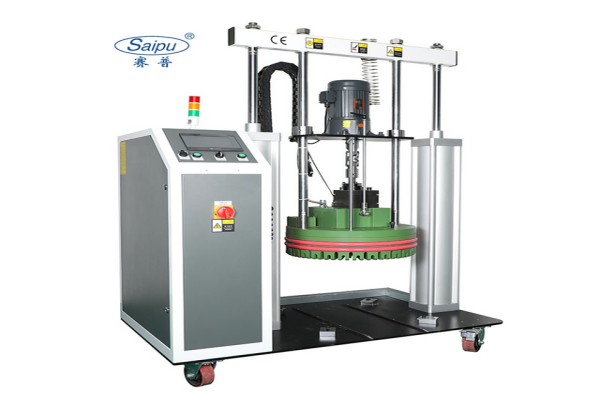
The bond develops in two stages. First, the adhesive is applied in molten form and wets the substrate. As it cools, it sets quickly and provides early handling strength, allowing parts to be positioned and moved through production without a long wait. Second, the adhesive reacts with moisture and forms a crosslinked structure, which gives the bond its final durability. That chemical curing stage is the key difference between PUR and conventional hot melts that rely only on cooling.
Bonding Stage | What Happens | Why It Matters |
Application and cooling | PUR is heated, dispensed in molten form, and solidifies as temperature drops | Provides fast initial grab and supports efficient processing |
Moisture curing | The adhesive reacts with ambient or substrate moisture and crosslinks | Creates a stronger, more permanent bond with better resistance to heat and moisture |
Once fully cured, PUR no longer behaves like an ordinary thermoplastic hot melt. The bond becomes far more resistant to remelting, which helps explain its durability in products that face real-world stress. This curing behavior is central to understanding why PUR hot melt adhesives are used when bond stability matters as much as application speed.
PUR hot melt adhesives are usually selected for what happens after application, not just during it. Many standard hot melts are valued for speed, but their performance can decline when the bonded product faces heat, moisture, movement, or long-term load. PUR is different because it combines quick initial set with a second curing stage that builds a stronger and more stable bond over time. That makes it a practical choice when manufacturers are trying to reduce bond failure rather than simply increase line speed.
From a user perspective, the biggest benefit is reliability in real service conditions. A bond that looks acceptable on the production line may still fail later if the product is stored in a humid warehouse, shipped through changing climates, or used in a warm interior environment. PUR is often chosen because it offers stronger adhesion, better moisture resistance, improved heat performance, and a longer service life than many conventional hot melts. Those gains matter most when the adhesive joint affects product quality, appearance, or durability rather than serving as a short-term hold.
The most important difference is how the bond develops. A traditional hot melt mainly holds because it cools and solidifies. PUR also sets when it cools, but it does not stop there. It continues reacting with moisture and forms a crosslinked bond structure, which is why its final performance is usually more durable under demanding conditions. In practical terms, that means PUR is often better suited for products that need to keep their bond strength after exposure to temperature swings, humidity, or repeated handling.
Practical Comparison Point | Standard Hot Melt | PUR Hot Melt Adhesive |
How the bond forms | Sets mainly by cooling | Sets by cooling, then continues curing with moisture |
Final bond durability | More limited in harsh conditions | Higher long-term durability |
Moisture resistance | Typically lower | Generally stronger |
Heat performance | More likely to soften again | Better resistance after full cure |
Best fit | Fast, less demanding applications | Demanding products and longer service life |
This difference becomes important whenever the bonded parts are not staying in a stable, controlled setting. For example, an adhesive joint in furniture, electronics, automotive interiors, or laminated materials may be exposed to daily expansion, contraction, vibration, or moisture. In those situations, the question is not whether the adhesive grabs quickly on day one, but whether it still performs months later. That is where PUR often justifies its higher material and processing demands.
PUR tends to make the most sense in three kinds of situations:
● Products exposed to humidity, temperature variation, or repeated mechanical stress during use or storage
● Assemblies that combine different substrates, such as wood with plastic, fabric with film, or metal with composite materials
● Applications where bond failure would create visible defects, delamination, warranty claims, rework, or higher production costs
In these cases, PUR is not being chosen because it is the simplest adhesive option. It is being chosen because the cost of a weak bond is usually much higher than the cost of using a more durable one.
One of the most established uses of PUR hot melt adhesives is in furniture and woodworking, especially where both performance and finish quality matter. In panel lamination, cabinetry, decorative surfaces, and edge banding, the adhesive has to do more than hold two materials together. It also has to support a clean visual result, resist heat and humidity, and maintain bond integrity over time. PUR is well suited to these requirements because it forms a durable bond after curing and performs well on a wide range of surfaces, including coated boards, films, and other materials often used in interior products.
This matters particularly in kitchens, bathrooms, and other interior settings where bonded components may face moisture, temperature fluctuation, and repeated daily use. In these applications, a weak bond can lead to visible edge failure, lifting, or delamination. PUR is often chosen because it helps reduce those risks while also supporting precise, high-quality assembly in finished goods.
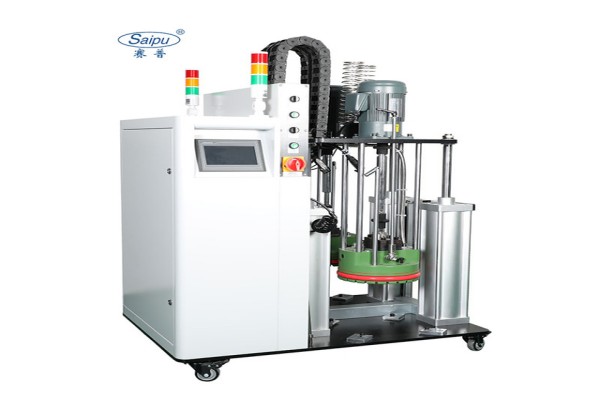
PUR is also widely used in bookbinding because it can create spines that are both flexible and durable. Books that need to open smoothly without pages loosening over time benefit from an adhesive that can handle repeated bending without becoming brittle. Compared with less durable binding options, PUR offers stronger page retention and better long-term performance, which is why it is commonly used for higher-demand printed products rather than just basic short-life materials.
In automotive, electronics, and broader industrial assembly, PUR is valued for its ability to handle more demanding service conditions. Components in these sectors often face temperature swings, vibration, mechanical stress, and long-term wear. They may also combine different substrates in a single assembly, such as plastics, metals, fabrics, films, or composite materials. PUR works well in these environments because its final cured bond is more durable than a standard cooling-only hot melt bond, making it suitable for interior trim, electronic components, and other precision assemblies. In many production settings, it is used with PUR hot melt glue machines or other controlled dispensing systems to maintain consistent temperature, output, and application quality.
Application Area | Why PUR Is Commonly Used |
Furniture and edge banding | Clean appearance, moisture resistance, and stable long-term bonding |
Bookbinding | Flexible yet durable spines with strong page retention |
Automotive and electronics | Better resistance to heat variation, vibration, and mixed-material assembly |
Laminated industrial products | Reliable bonding where durability matters more than low initial cost |
Beyond these core uses, PUR also appears in packaging, textiles, construction-related lamination, and profile wrapping. In these cases, the common factor is not the industry itself but the need for a bond that remains reliable when exposed to stress, movement, or changing conditions. That is why PUR tends to be used in applications where durability and service performance matter more than simple short-term adhesion.
PUR hot melt adhesives are valued for their ability to bond a broad mix of materials, which is one reason they are used in woodworking, laminating, electronics, automotive interiors, textiles, and general product assembly. Depending on the formulation, they can perform well on wood, many plastics, metals, fabrics, paper-based materials, and composites. That flexibility is especially useful in assemblies where different substrates have to work together in a single bonded structure.
At the same time, broad compatibility does not mean universal compatibility. Some surfaces are much harder to bond reliably, especially silicone, PTFE, oily or waxy materials, and certain low-surface-energy plastics. These materials can prevent proper wetting or reduce final adhesion strength, even when the adhesive itself is high performing. Surface condition matters just as much as substrate type, so contamination from dust, oil, release agents, or processing residue can also weaken results. For that reason, material testing should come early in the selection process, particularly when the end product will face heat, humidity, movement, or long service cycles.
A good evaluation process usually includes:
● checking whether the substrate is porous, coated, smooth, or low-surface-energy
● confirming the bond will be exposed to moisture, heat, chemicals, or repeated stress
● testing the actual material combination under realistic production and service conditions
Choosing PUR is not only about adhesive chemistry; it is also about whether the production process can support it consistently. PUR is applied in molten form and then continues curing through moisture exposure, so temperature control, adhesive feed stability, and controlled handling all affect the final result. Unlike simpler hot melt applications, PUR processing must balance smooth melting, accurate dispensing, and protection from premature reaction with ambient moisture.
This is why proper heated dispensing equipment matters. In many operations, PUR is processed through sealed or moisture-conscious systems designed to keep the adhesive stable before application. Lines using PUR adhesive dispensing systems typically need tighter control over heating, output rate, and dwell time than standard hot melt setups. Even small process variations can affect bead consistency, wetting, open time, or cure performance, especially in automated or high-throughput environments. That does not make PUR difficult by default, but it does mean users should treat it as a process-controlled material rather than a drop-in substitute for every hot melt job.
What to Check | Why It Matters |
Substrate type and surface condition | Affects wetting, adhesion, and long-term bond reliability |
Application temperature control | Influences flow, coating quality, and early bond formation |
Dispensing system design | Helps prevent premature moisture exposure and unstable output |
Production speed and open time | Determines whether assembly timing matches adhesive behavior |
Maintenance routine | Reduces clogging, residue buildup, and unplanned downtime |
Before use, PUR is moisture-sensitive, which means storage conditions directly affect usability. It should normally be kept sealed and stored in dry conditions to avoid premature reaction. Once packaging is opened, exposure to humidity can shorten usable life, so inventory handling and shop-floor discipline matter more than they do with many standard hot melts. Users should not assume a product that looks normal will still process normally if it has been exposed too long.
Maintenance is equally important because cured PUR is difficult to remove once it hardens inside a system. Residue left in tanks, hoses, or dispensing components can create blockages, carbonization, inconsistent flow, or cleanup problems later. In practice, that means operators need prompt cleaning procedures, proper shutdown habits, and regular inspection of equipment that handles reactive adhesive. Where bond quality is critical, good maintenance is not separate from adhesive performance; it is part of achieving it.
PUR hot melt adhesives combine fast application with moisture-curing strength for durable, reliable bonding in demanding industrial uses. They are best suited for projects where heat resistance, moisture resistance, and long-term performance matter most. For businesses also evaluating PUR hot melt machines or related systems, Dongguan Saipu Electromechanical Device Co., Ltd. provides equipment support for stable and efficient adhesive processing. If you are evaluating PUR hot melt machines or dispensing systems, contact us to discuss your application and equipment requirements.
A: PUR hot melt adhesives are reactive adhesives that set when cooled and then moisture-cure for stronger long-term bonds.
A: PUR hot melt adhesives continue curing after application, giving better heat, moisture, and durability performance than standard hot melts.
A: PUR hot melt adhesives are used in edge banding, bookbinding, electronics, automotive interiors, and laminated assemblies.
A: PUR hot melt adhesives usually require heated, moisture-conscious dispensing systems for stable processing and consistent bond quality.


